It's a little after 3:30 on a Sunday afternoon, and inside the Lafayette Theatre, someone is playing a pipe organ that has no business still working. The house lights are down, a handful of people are settled into seats that have held audiences since 1924, and the Ben Hall Memorial Mighty Wurlitzer is doing what it has done every week since the New York Theatre Organ Society installed it in the late 1980s: filling a single-screen movie palace with sound before the 4pm show starts. Nobody in the audience seems to think this is unusual. That's the point.
Walk two blocks in either direction and you'll find a Neapolitan pizza counter that used to be a Thai restaurant, a halal Pakistani-Afghan kitchen doing steady lunch business, and a brick oven pizzeria that opened so recently the Suffern Chamber of Commerce still calls it "the newest" on its own website. Lafayette Avenue is doing two things at once, and most people who live here have never stopped to notice that the two things are connected.
A Building That Never Had to Reinvent Itself
The Lafayette Theatre opened in 1924, designed by architect Eugene DeRosa, and it has run continuously in the same building, under the same roof, for more than a century. It was built with a custom Muller organ to accompany silent films and vaudeville acts, and when that instrument eventually gave way, the New York Theatre Organ Society didn't remove the tradition, it replaced the organ. The Wurlitzer that plays there now is a preserved piece of the theater's original job, not a nostalgic add-on.
Today the Lafayette bills itself as the last remaining single-screen movie palace in Rockland County, seating more than 800 people in a house that, by its own account, has never sold out. It runs first-run films on a normal weekend schedule, Friday and Saturday evenings, Sunday matinees, with the organ performance ahead of the Sunday 4pm screening. Nothing about that schedule has needed to change to stay relevant. The theater's value to the block isn't that it's trendy. It's that it's dependable, in a way almost nothing else on the street has to be.
That distinction matters more than it sounds like it should, because everything built around a dependable anchor gets to take more risks.
Three Storefronts, Three Very Different Bets
Consider what's happened in the storefronts near the theater over the past few years. Angelo Competiello, who spent years running his family's gourmet grocery in Thornwood before selling it in 2020 and going on to beat Bobby Flay on Food Network with a wild boar ragu, was looking for a small space to open something of his own. What he found on Lafayette Avenue was a former Thai restaurant. He turned it into Alta Irpinia, a wood-fired salumeria and pizzeria built around the Campania region his father came from, serving pies topped with things like truffle mortadella and pistachio pesto on a street that Competiello himself has described as full of traditional pizza-by-the-slice joints.
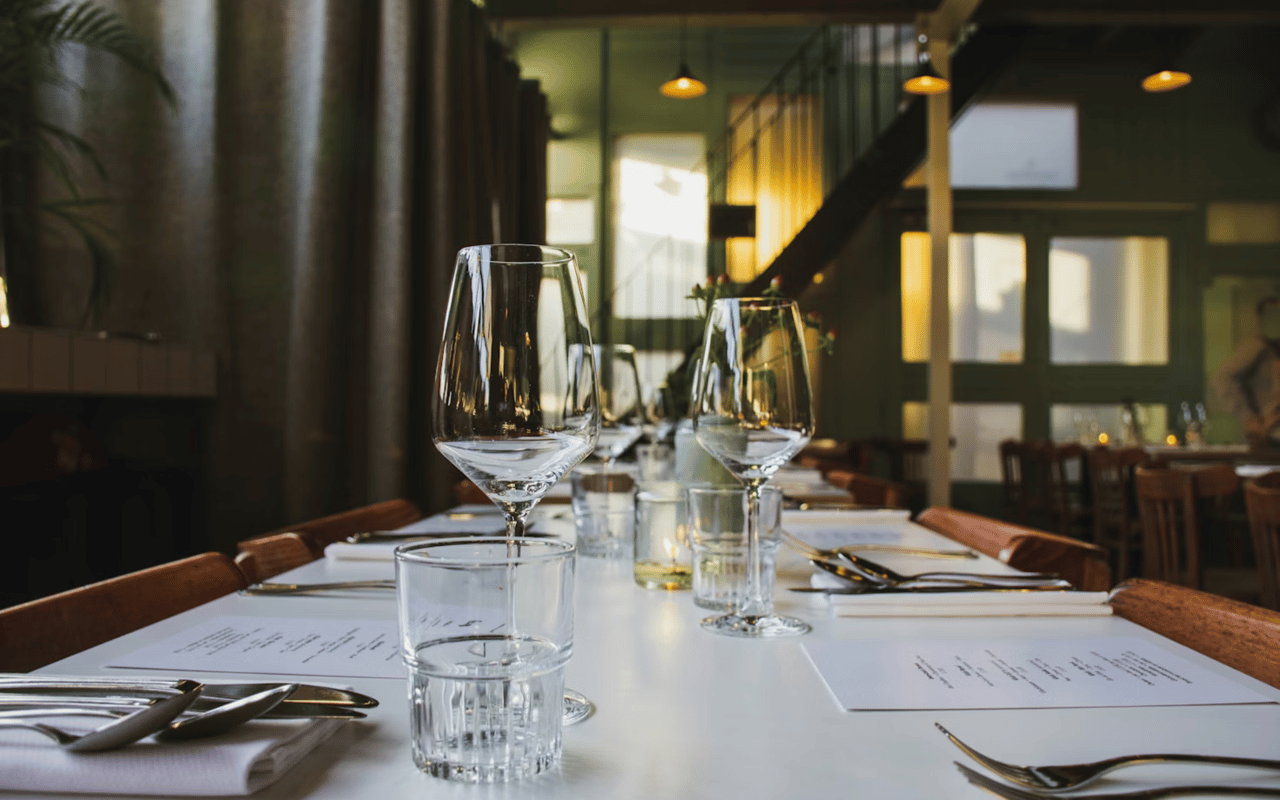
A few doors down, Krave Grill & Lounge serves halal Pakistani, Afghan, and Chinese food out of a space at 75 Lafayette Avenue, with kababs and Qabuli Pulao that have made it a regular on the Suffern Chamber's own list of restaurants worth supporting. Noor Biryani Indian Grill runs a similarly focused halal Indian menu at 33 Lafayette Avenue. None of these are safe, general-audience concepts. They're specific bets on specific cuisines, made by owners who chose this particular half mile of storefronts to make them.
Here's a snapshot of what's currently doing business on that stretch:
| Restaurant | Cuisine | What's notable |
|---|---|---|
| Alta Irpinia (57 Lafayette Ave) | Wood-fired Italian, Campania-focused | Opened by a Beat Bobby Flay winner in a former Thai restaurant space |
| Krave Grill & Lounge (75 Lafayette Ave) | Halal Pakistani, Afghan, Chinese | Featured on the Suffern Chamber's own restaurant list |
| Noor Biryani Indian Grill (33 Lafayette Ave) | Halal Indian | Family-owned, made fresh daily |
| Forgia Brick Oven Pizzeria | Italian, brick oven | Billed by the Chamber as the newest addition to the block |
| Cooper's Tavern | Irish pub fare | Elevated pub menu alongside a full bar |
| Sushi Bada | Japanese | Long-running local favorite with a loyal following |
A village of roughly 11,400 people, per the 2020 census, doesn't automatically support this kind of range. Small towns more often converge on a handful of safe, familiar options because the customer base can't sustain much experimentation. Suffern's downtown has gone the other direction, and the reason isn't luck.
The Math Nobody Runs Out Loud
Every one of those restaurants is betting that enough people will walk past their door on a given night to make a specific, non-obvious concept work. That bet gets a lot safer when a block already has guaranteed foot traffic built in, and the Lafayette Theatre has been supplying exactly that since before any of these restaurants existed. A movie house that fills seats every weekend, rain or shine, first-run film or classic revival, functions as a floor. It doesn't need the restaurants around it to succeed for it to keep running, but its steady draw means those restaurants aren't opening on a street that's quiet six nights out of seven.
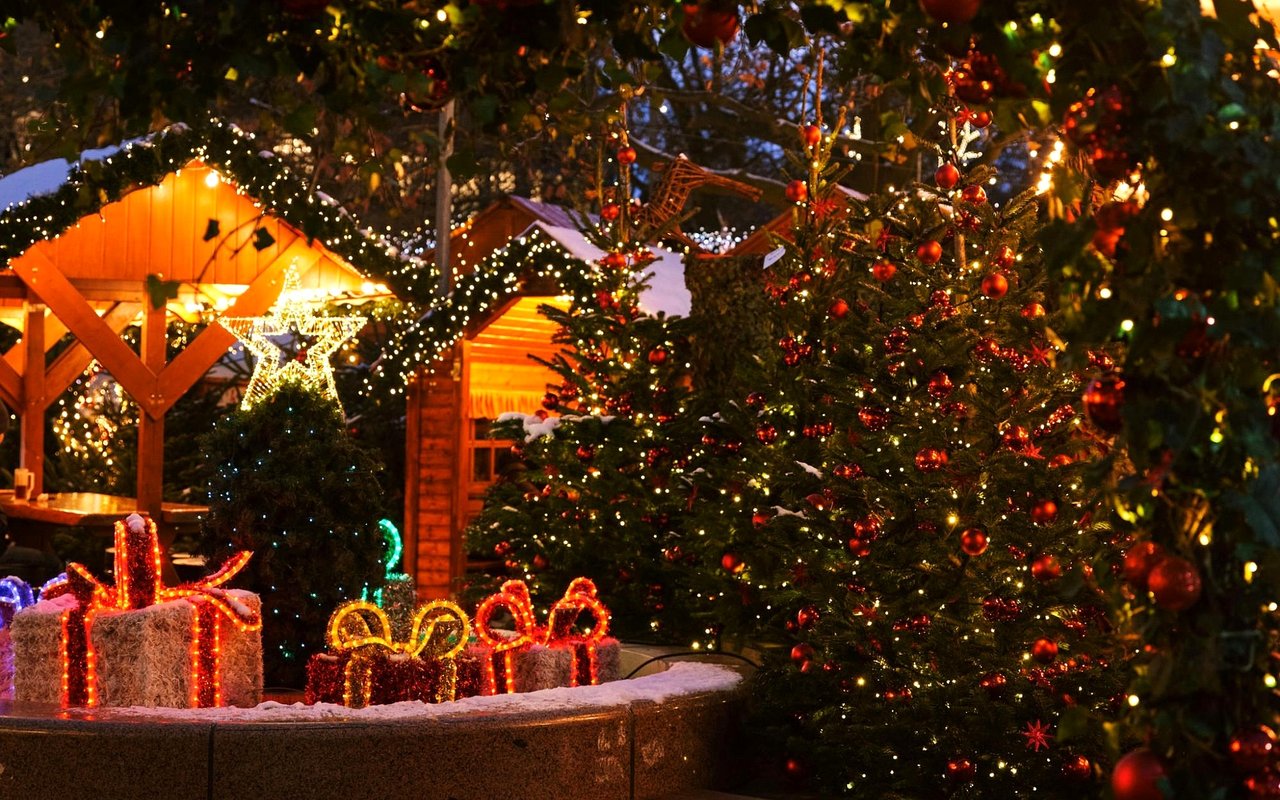
Then once a year, the floor gets pushed a lot higher. The Suffern Chamber's Fall Street Fair returns to Lafayette Avenue on Sunday, October 18, from 10am to 5pm, and it has been a tradition for more than three decades. The numbers involved are worth sitting with for a second: a village of about 11,400 residents regularly hosts a single-day event that draws between 13,000 and 15,000 visitors, more people showing up in one afternoon than actually live there.
This year's fair includes a live music area in the park near Orange Avenue, with the band Incidental Contact playing from noon to 3:30pm, a kids zone with bounce houses and inflatable slides, a face painter and balloon artist near the gazebo, and The Ice Factory serving ices at the top of the fair. Karaoke, which the Chamber describes as a hit with kids, teens, and adults alike, runs at the intersection of Lafayette Avenue and Chestnut Street from noon to 5pm. Between 160 and 180 vendors set up along the route.
A day like that doesn't just bring in visitors. It puts every restaurant, every storefront, every counter along Lafayette Avenue in front of thousands of people who might otherwise never have a reason to walk that block. For a restaurant betting on a specific, less familiar concept, that kind of exposure once a year does real work.
What Holds the Street Together
None of this means Lafayette Avenue is unusually lucky or that its restaurant scene appeared out of nowhere. It means the street has an old, reliable anchor in the Lafayette Theatre and a once-a-year event in the Fall Street Fair that together do something small towns rarely get for free: they guarantee that enough people will be on that block, often enough, that newer businesses can afford to be specific instead of generic. The theater hasn't changed its job since 1924. That's exactly what lets everything around it keep changing.
If you live in Suffern, you've probably walked past all of this without connecting the pieces, the organ before the matinee, the Thai restaurant that became an Italian salumeria, the fair that turns your quiet village into something briefly much bigger. It's worth catching this year's fair on October 18 if you haven't been in a while, and it's worth noticing, next time you're deciding where to eat on Lafayette Avenue, how much of that choice exists because a single-screen theater down the block has never needed to change what it does.
For more on what makes daily life here distinct, our Suffern neighborhood guide covers the parts of the village worth knowing beyond downtown, and if you're weighing what a move to this stretch of Rockland County actually looks like, we've also written about Suffern for commuters. Whenever you're ready to talk about buying or selling in Suffern or anywhere nearby, The Molfetta Team is here to help. Book a Consultation whenever the timing is right for you.