If your workweek depends on a reliable commute, where you live can shape almost every part of your day. You want a home that fits your budget and lifestyle, but you also need practical access to trains, highways, parking, and the places you use most often. In Suffern, you get a compact village setting with rail service, regional road connections, and a mix of housing choices that can appeal to many commuter households. Let’s take a closer look.
Why Suffern Stands Out for Commuters
Suffern sits in northwestern Rockland County in the lower Hudson Valley, right near the New Jersey border. Village planning materials describe it as a compact community of about 2.1 square miles, and recent Census estimates place the 2024 population at 11,537.
That smaller footprint matters if you want a place where daily errands, downtown stops, and the train station feel connected to everyday life. Census QuickFacts also reports a mean travel time to work of 29.7 minutes, a median household income of $100,737, and a poverty rate of 4.4%, which points to a stable suburban market with year-round residents rather than a seasonal second-home feel.
Suffern Transit Options
For many buyers, the main draw is Suffern Station. The station is located at Ramapo Avenue and Chestnut Street near Orange Avenue and Route 202, which places it close to the village core and major local roads.
According to NJ Transit, the station offers parking, Wi-Fi, bike racks or lockers, and weekday ticket office hours. Those details can make a real difference when you are trying to keep a morning routine simple and predictable.
Rail Service to Regional Job Centers
Rail service is central to Suffern’s commuter appeal. The MTA Port Jervis Line schedule notes that service is operated by NJ Transit under contract to Metro-North Railroad and runs to Hoboken, Secaucus, and Penn Station–NY.
That means Suffern can work for buyers commuting toward Manhattan through transfers, as well as for people whose routines connect more naturally through Hoboken. The same schedule also notes additional service between Suffern and Hoboken via NJ Transit Main/Bergen County service.
Accessibility at the Station
One important point to know is that the MTA station page says Suffern is not currently an accessible station. The nearest accessible stations on the line are Ramsey-Route 17 and Harriman.
If step-free access is important for your household, this is something to verify early while you search. A home that looks ideal on paper may not feel practical if the station setup does not match your mobility needs.
Driving Access Around Suffern
If your commute includes driving, Suffern also benefits from strong highway access. New York State Thruway exit information identifies Exit 15A for Sloatsburg, Suffern, and New York Routes 17 North and 59.
Nearby Exit 15 connects to New Jersey I-287 and NJ Route 17 South. For buyers working in Bergen County or other parts of North Jersey, those connections add flexibility and help explain why Suffern stays relevant for cross-state commuters.
Parking Matters in Real Life
Parking is one of those details that can change how easy a commute feels. Rockland County lists 114 permit spaces at the Suffern rail station, while NJ Transit also shows several station-adjacent lots, including municipal lots and one NJ Transit-owned lot.
Current county parking pages list daily permits at $4 for residents and $10 for non-residents. Monthly permits are listed at $25 for residents and $75 for non-residents, which gives you a useful framework when you compare commuting costs across different towns.
Suffern Housing Choices for Commuters
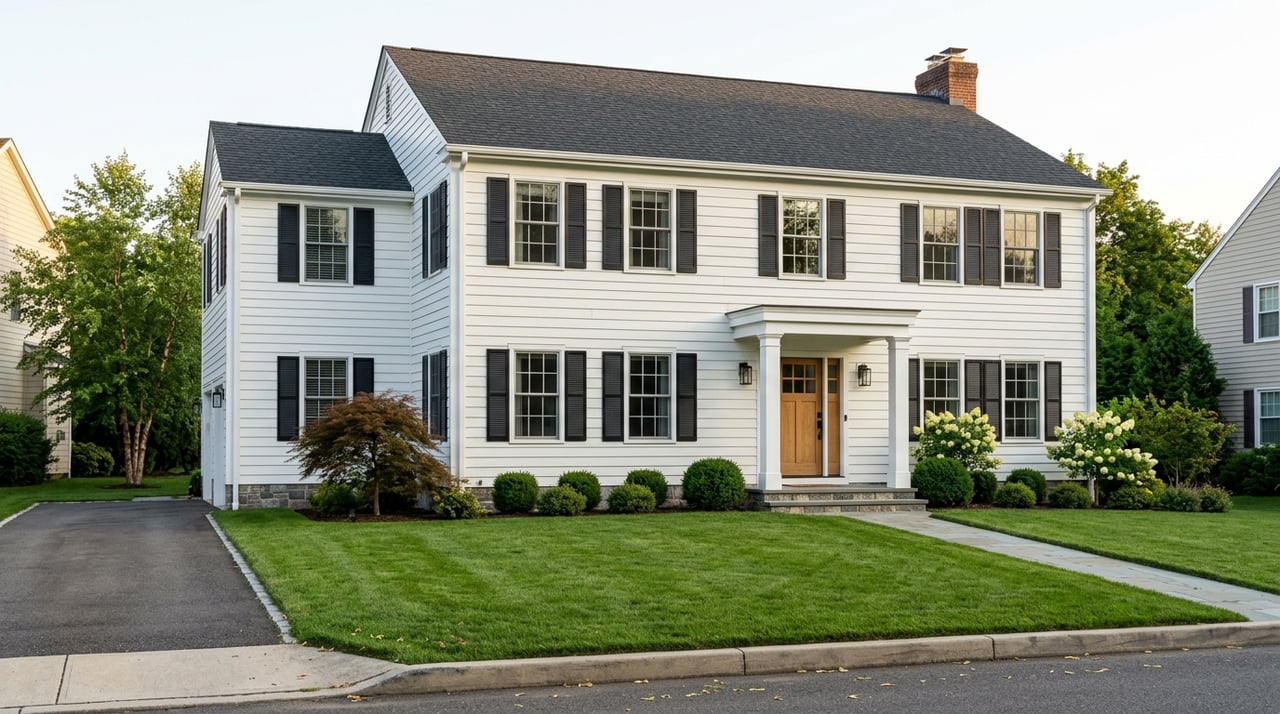
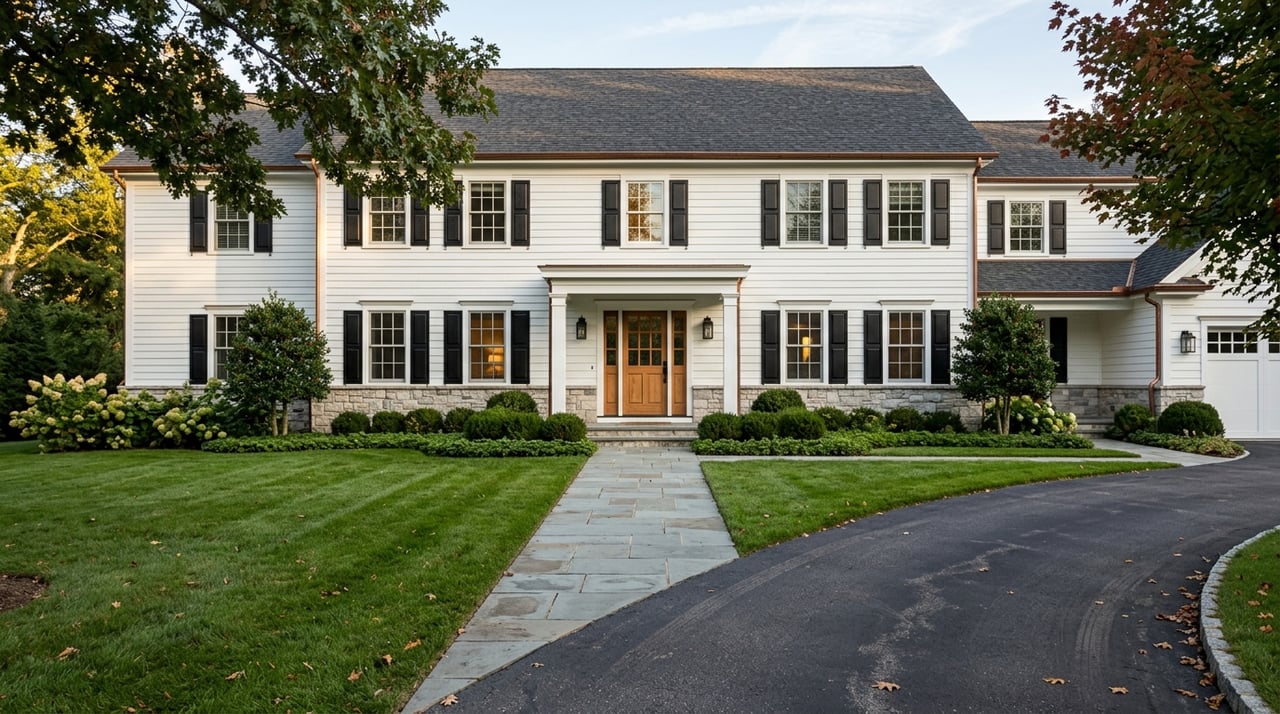
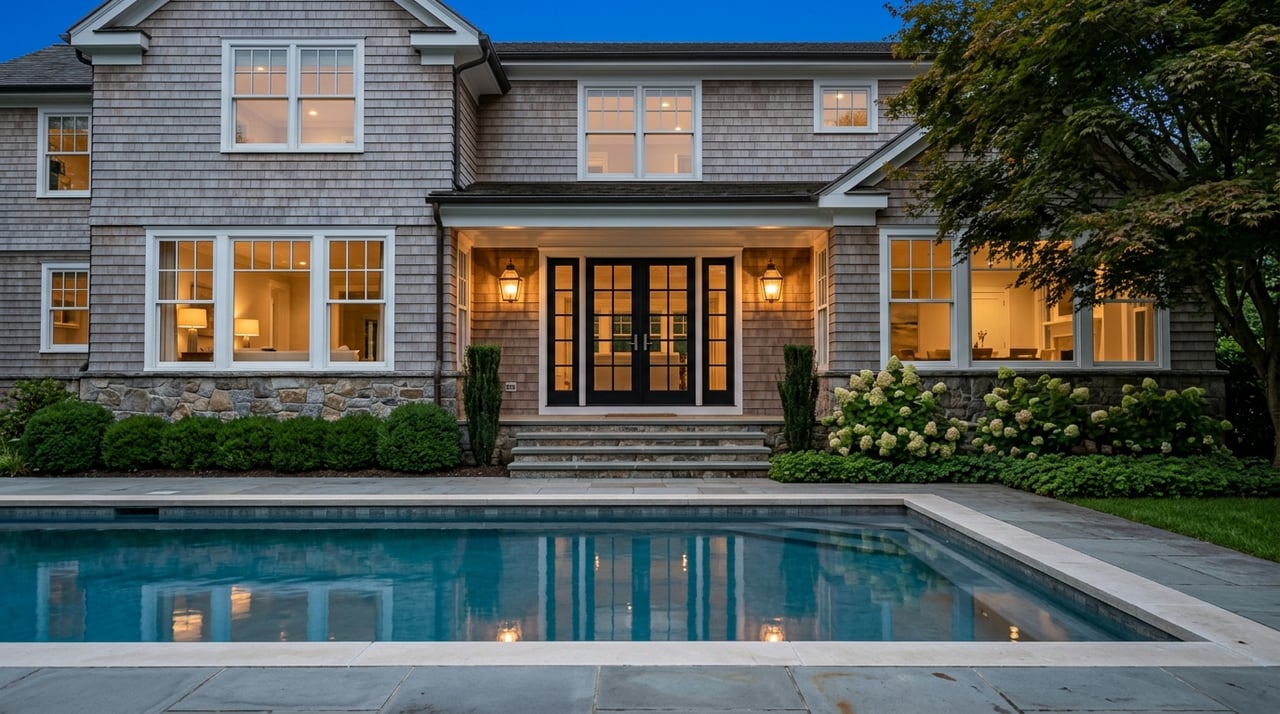
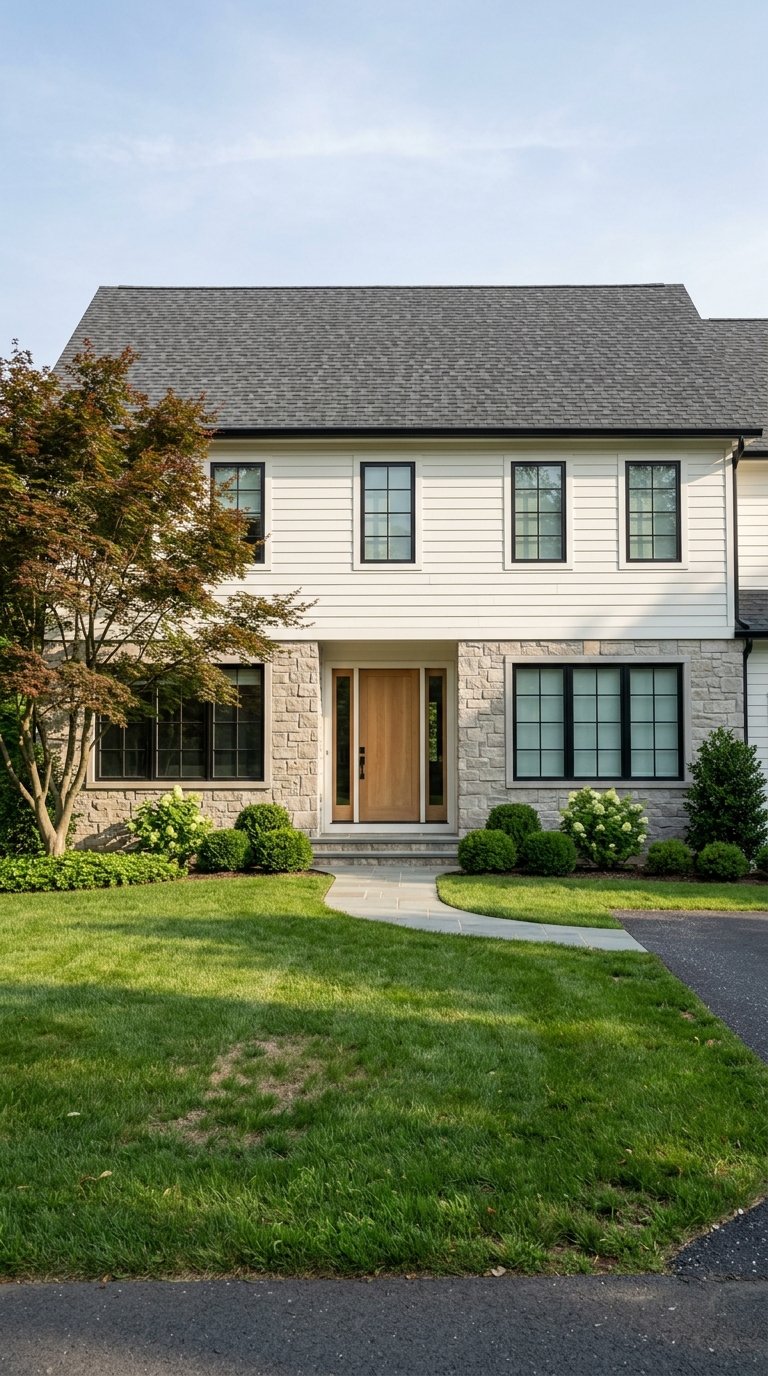
One of Suffern’s strengths is variety. Current inventory snapshots show listings across single-family homes, condos, co-ops, multi-family homes, rentals, and land, with 181 total listings noted in one market snapshot from June 13, 2026, including 99 single-family homes and 33 condos.
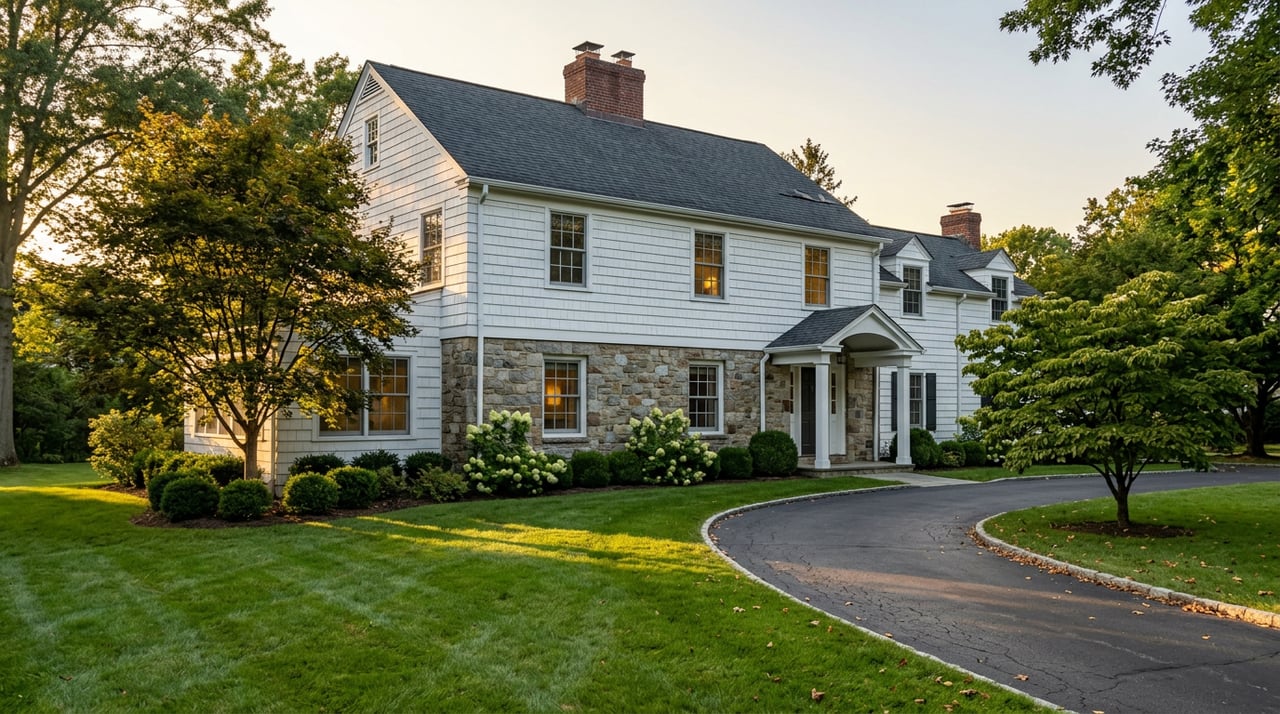
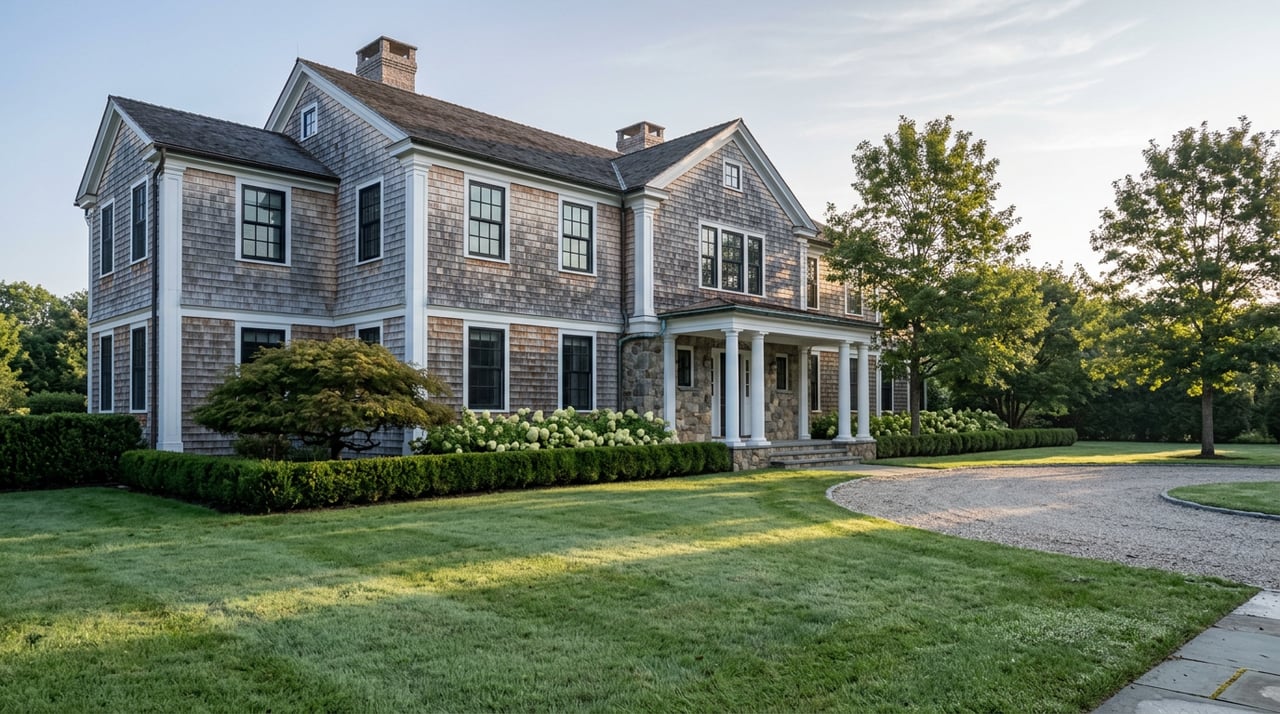
That broad mix gives commuter buyers more than one path into the market. Depending on your priorities, you may focus on a detached home with more space, a condo with less exterior maintenance, or another property type that better fits your monthly budget and day-to-day routine.
Condos and Lower-Maintenance Living
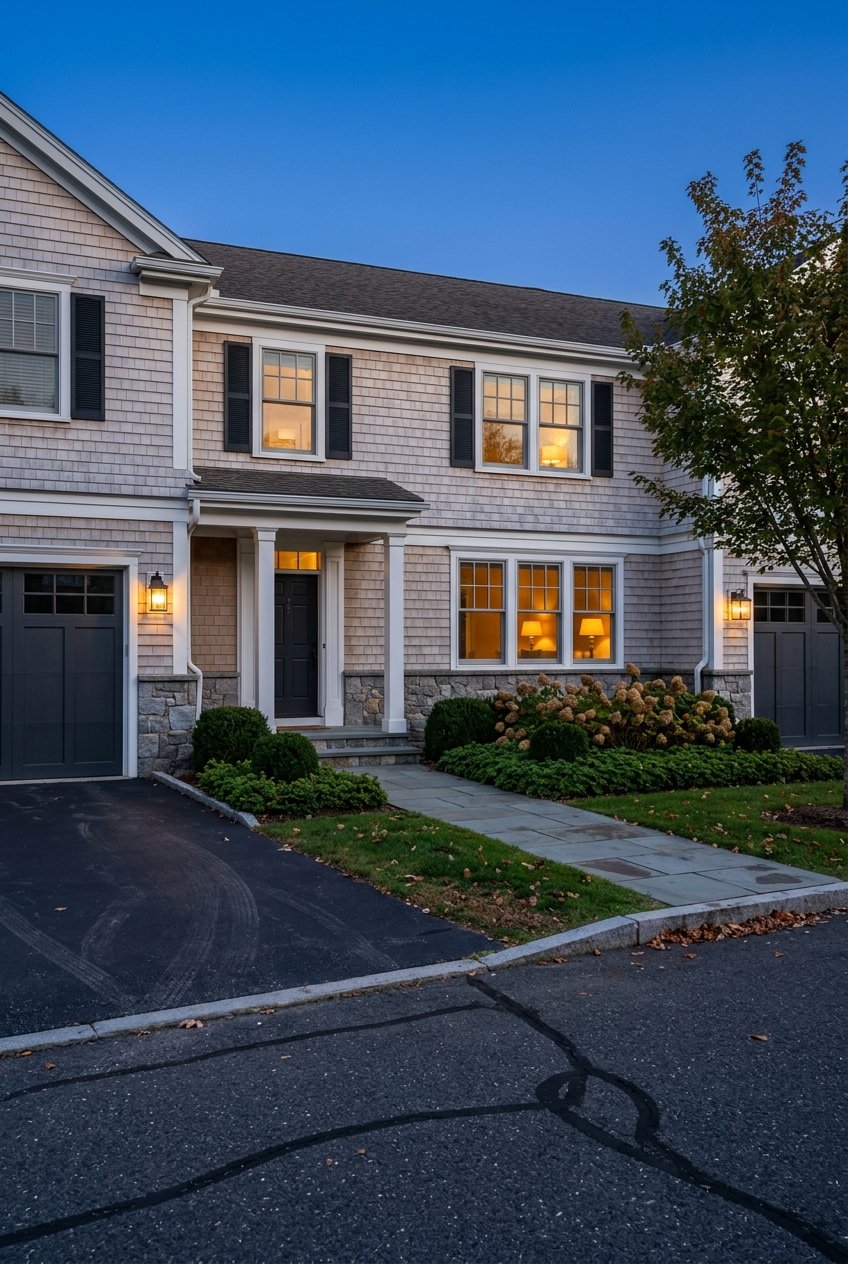
Local housing guides also point to condo living as a meaningful part of the village housing stock, including downtown-area buildings such as The Meridian and Park Place Condo. For some buyers, that kind of setup can be appealing if you want to stay close to the village center and reduce maintenance demands.
This can be especially useful if your weekdays are already packed with train schedules, school drop-offs, or long drives. A lower-maintenance property may leave you with more flexibility and less weekend upkeep.
Ownership Trends and Cost Context
Census QuickFacts shows that 70.4% of housing units in the village are owner-occupied. The same data reports a median value of $350,200 for owner-occupied homes and a median gross rent of $2,068.
Those numbers do not tell you what any one home will cost today, but they do give helpful context. In practical terms, Suffern offers a market where buyers can compare traditional ownership with condo, co-op, or rental options in a community that still leans strongly toward ownership.
What Daily Life Feels Like in Suffern
Commuting is only part of the decision. You also want to know what your day looks like when you are not on a train or in traffic.
Village planning materials repeatedly identify downtown revitalization, parking, open space, housing, recreation, transportation, and land use as local priorities. That tells you something important about Suffern: daily life is shaped by a compact village core where movement, convenience, and shared public spaces all matter.
A Downtown-Centered Routine
The same planning document specifically notes downtown parking as an ongoing concern. For buyers, that is not necessarily a negative. It is often a sign that the village center is active enough that parking and circulation stay front-of-mind in local planning.
If you like the idea of living in a place where the station, local businesses, and civic life are tied closely together, Suffern’s layout may feel practical and appealing. It is a different experience from a more spread-out suburb where every stop requires a longer drive.
Schools and Community Structure
For households thinking long-term, the Suffern Central School District is a major part of the local picture. The district says it serves about 4,000 students across six schools and includes Suffern Middle School and Suffern High School, along with elementary schools in Suffern and nearby communities.
The district also highlights AP courses, a two-way dual-language program, and 22 sports teams. Those facts help paint a picture of the school system’s size and offerings without reducing your decision to a single metric.
Parks and Outdoor Access
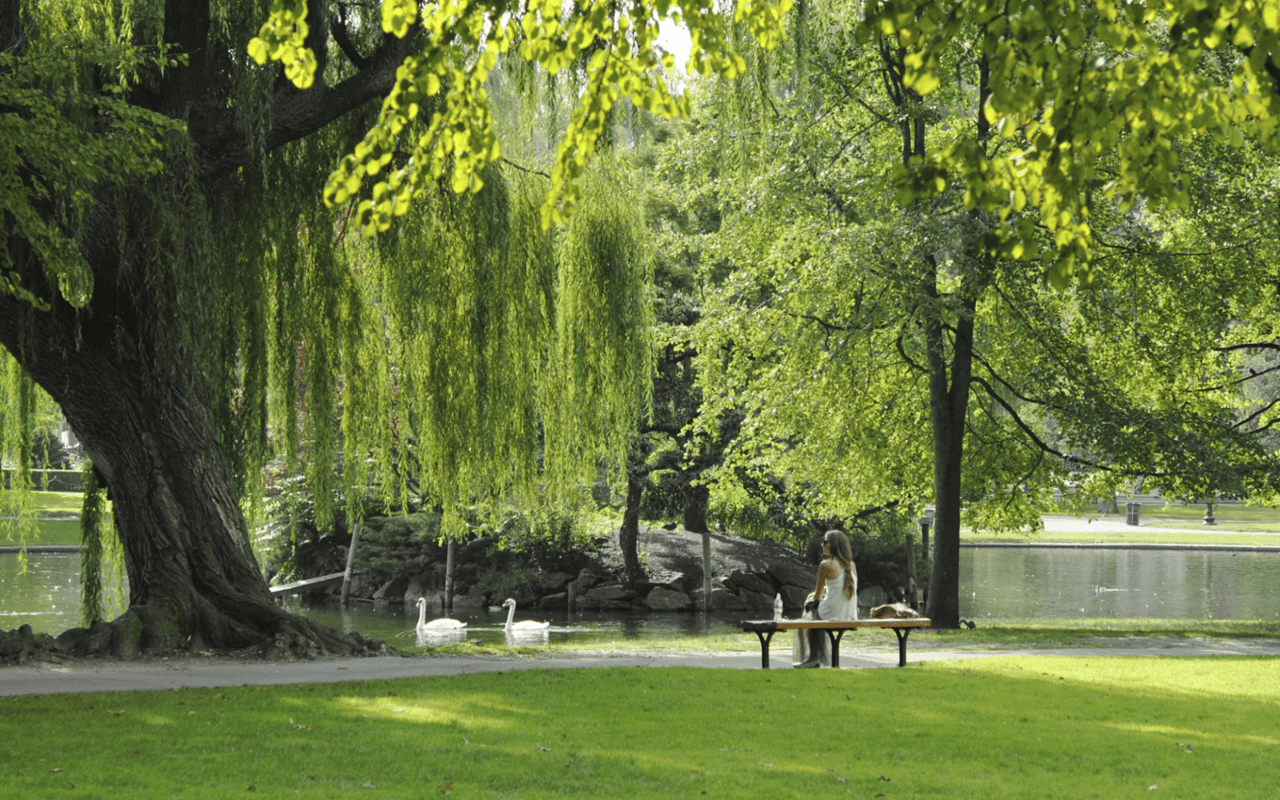
Outdoor space is another quality-of-life factor that matters after a long workday. Rockland County says Kakiat Park can be reached from Suffern via Route 202 east and offers hiking, picnic areas, scenic vistas, horse riding, and other recreation.
That access supports a balanced lifestyle for buyers who want both commuter convenience and nearby green space. In a village setting, having recreation close at hand can make weekends and evenings feel easier to enjoy.
Who Might Find Suffern a Good Fit
Suffern can make sense for several types of buyers. If you commute toward Hoboken, Secaucus, or Penn Station–NY, the rail setup may be the biggest draw.
If you work in northern New Jersey, the nearby Thruway, I-287, and Route 17 connections can also support a practical cross-state routine. And if you want choices beyond one standard housing type, the local mix of single-family homes, condos, co-ops, and multi-family properties gives you room to compare options.
What to Weigh Before You Buy
No commuter town is one-size-fits-all. In Suffern, a smart search should include more than just square footage and price.
As you compare homes, it helps to think about:
- Your actual train or driving route, not just the general map location
- Station parking availability and permit costs
- Whether station accessibility fits your household needs
- How much maintenance you want to handle each week
- Whether you prefer a downtown-adjacent property or a quieter residential setting
The right home is the one that supports your whole routine, not just your address. That is especially true in a commuter market where small practical details can shape your experience every day.
If you are comparing Suffern with nearby New Jersey and Rockland County communities, working with a team that understands cross-state moves, commuter priorities, and local housing mix can help you narrow the field with more confidence. When you are ready to talk through your options, connect with The Molfetta Team.
FAQs
Is Suffern, NY good for commuting to New York City?
- Yes. MTA schedule information says Suffern has rail service connecting to Hoboken, Secaucus, and Penn Station–NY, which can support Manhattan commutes that involve transfers.
Does Suffern Station have parking for commuters?
- Yes. Rockland County lists 114 permit spaces at the rail station, and NJ Transit also notes multiple adjacent parking lots, including municipal lots and one NJ Transit-owned lot.
Is Suffern Station accessible?
- No. The MTA station page says Suffern is not currently an accessible station, with the nearest accessible stations on the line at Ramsey-Route 17 and Harriman.
What kinds of homes can commuters find in Suffern?
- Current local inventory snapshots show a mix of single-family homes, condos, co-ops, multi-family homes, rentals, and land, giving buyers several housing types to compare.
What is daily life like in Suffern for residents?
- Village planning materials point to a compact downtown-centered community with ongoing focus on parking, open space, housing, recreation, and transportation, along with access to local schools and nearby parks.
Are there parks near Suffern for outdoor recreation?
- Yes. Rockland County says Kakiat Park is accessible from Suffern via Route 202 east and includes hiking, picnic areas, scenic vistas, horse riding, and other recreation.