If you are thinking about investing in Orangeburg, the first question is not just what you can buy. It is what kind of property is most likely to hold value, attract steady demand, and give you a practical exit later. In a small, owner-heavy hamlet like Orangeburg, that matters more than chasing quick-turn trends. This guide will help you understand the local housing options, what drives demand, and where long-term investors may find the best fit. Let’s dive in.
Why Orangeburg Stands Out
Orangeburg is a hamlet in Orangetown, Rockland County, with 4,565 residents and 1,534 housing units spread across about 3.1 square miles, according to the 2020 Census. The local land-use pattern is important if you are evaluating investment potential. Orangetown’s comprehensive plan describes Orangeburg as a place with commercial activity along Orangeburg Road and Route 303, while most residential development sits in the western part of the hamlet.
That layout creates a very different investment picture than you would see in a dense urban rental market. Orangeburg does not have a traditional downtown core, and the local story is less about short-term turnover and more about stable, long-term housing demand. For many buyers and investors, that can be a strength.
Another important signal is ownership. Orangeburg’s owner-occupied share is about 71.86%, which is higher than Rockland County at 67.9% and well above New York State at 54.3%. In simple terms, this is a market where owner-occupancy plays a major role, which often supports a steadier resale environment for homes that appeal to future primary residents.
Orangeburg Market Snapshot
If you are weighing an investment, the pricing backdrop matters. Recent market snapshots place Orangeburg near a $735,000 median listing price, with about 44 median days on market. Redfin’s March 2026 data showed a median sale price near $680,000 and about $430 per square foot.
At the county level, Rockland County’s median value of owner-occupied housing units is $596,900, and the median gross rent is $1,901. Those numbers help frame Orangeburg as a higher-value suburban market where acquisition costs are meaningful. That tends to reward investors who are focused on durability, location, and long-term appeal rather than speculative plays.
Best Housing Options for Investors
Single-Family Homes
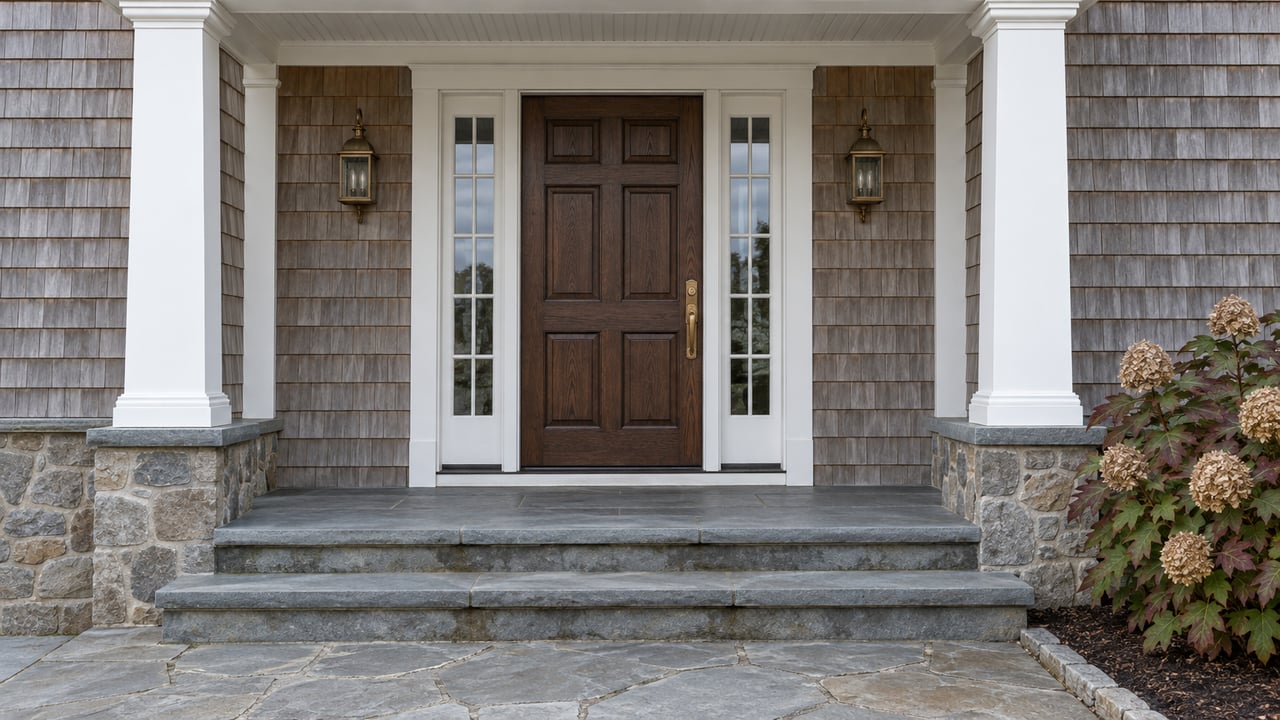
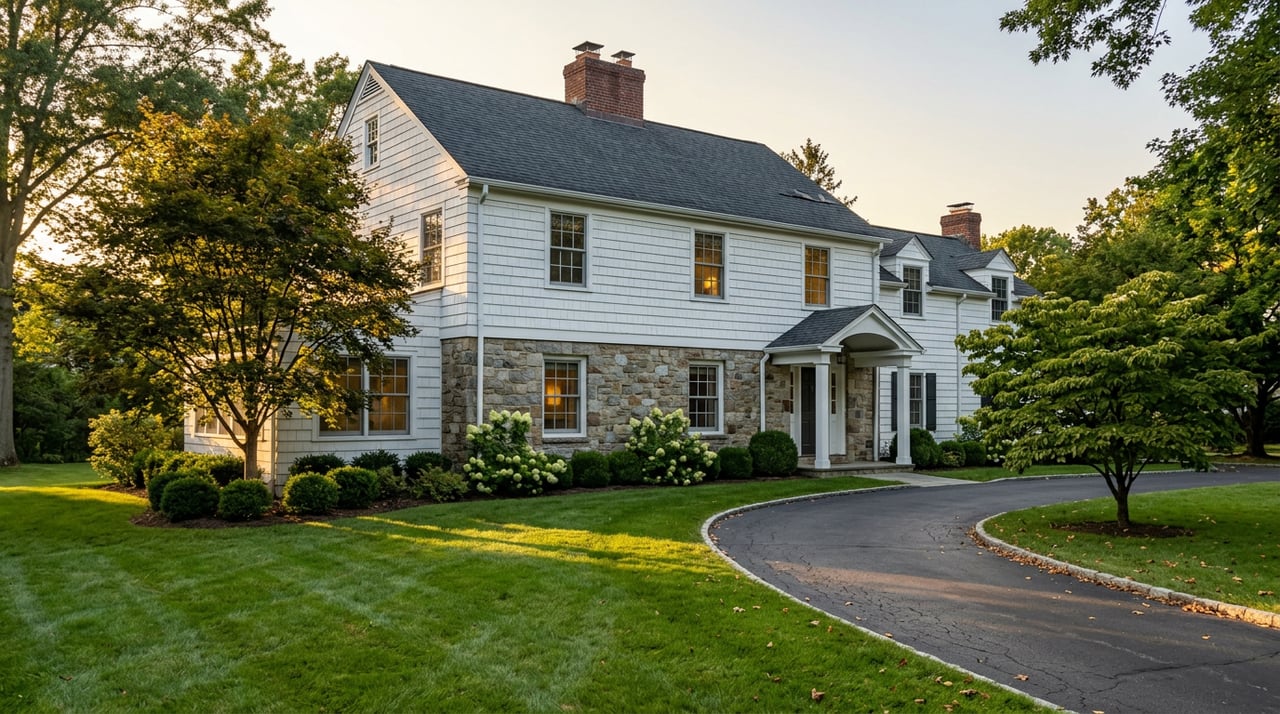
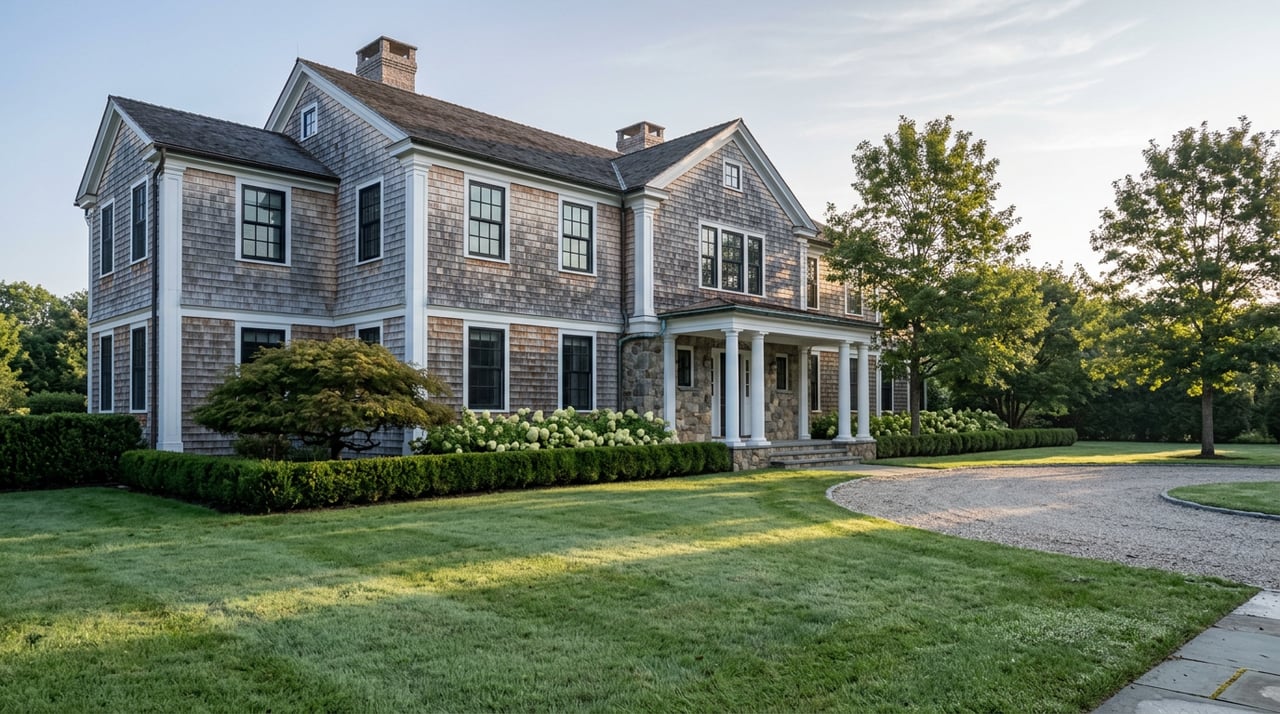
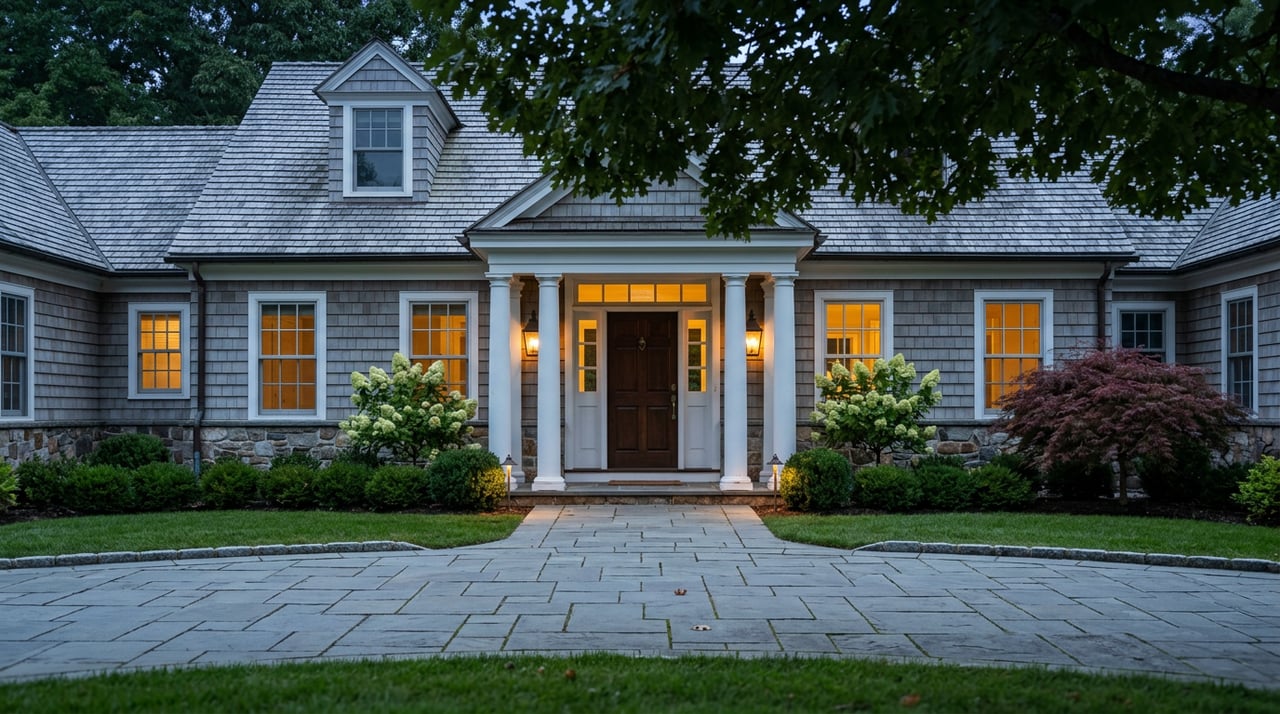
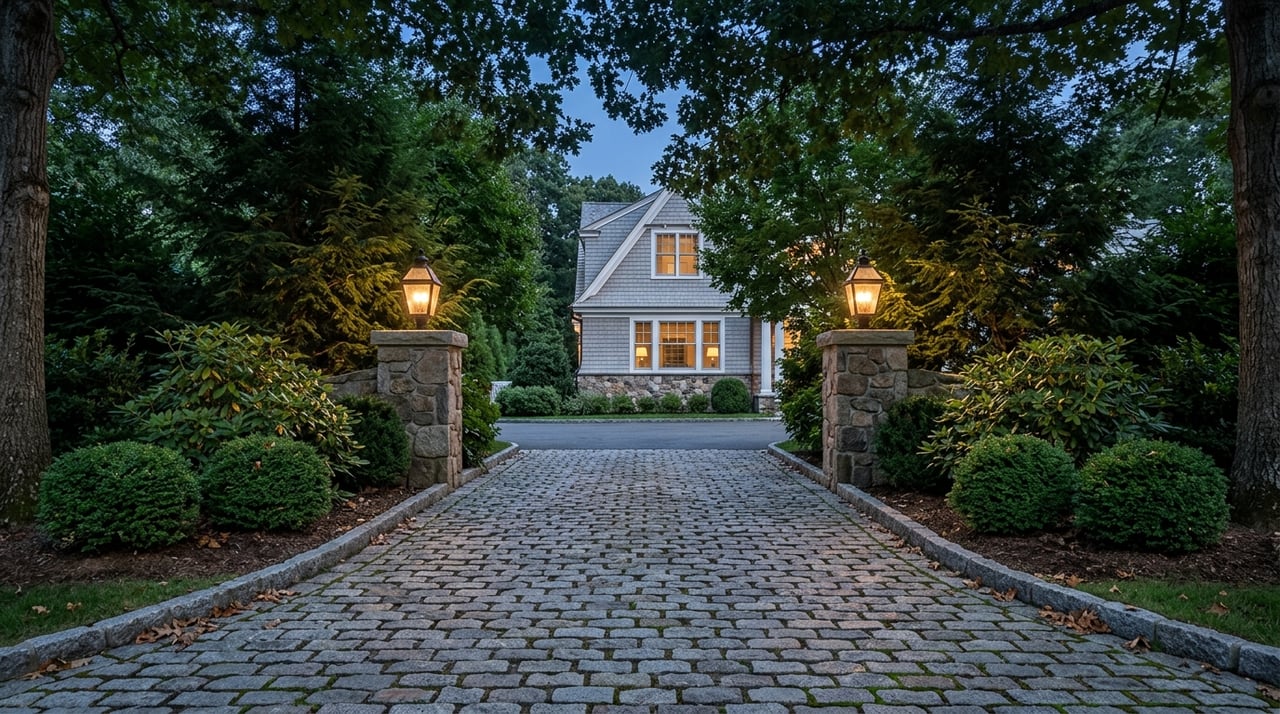
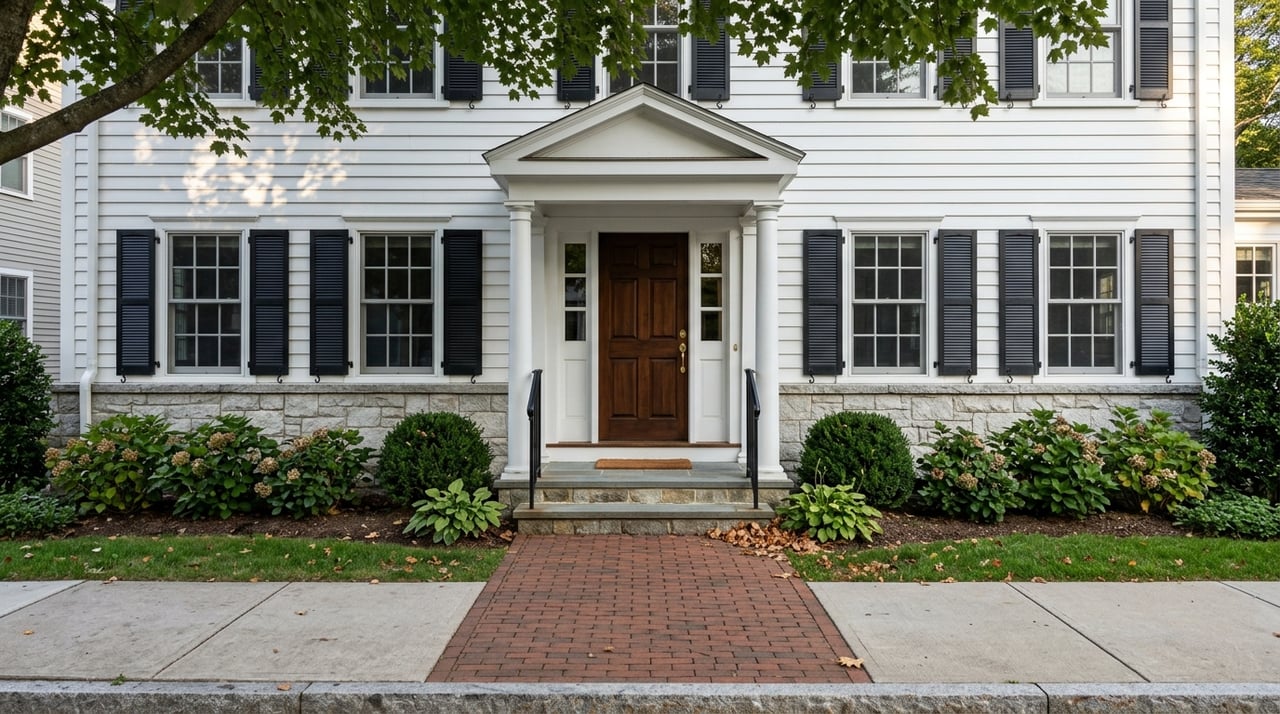
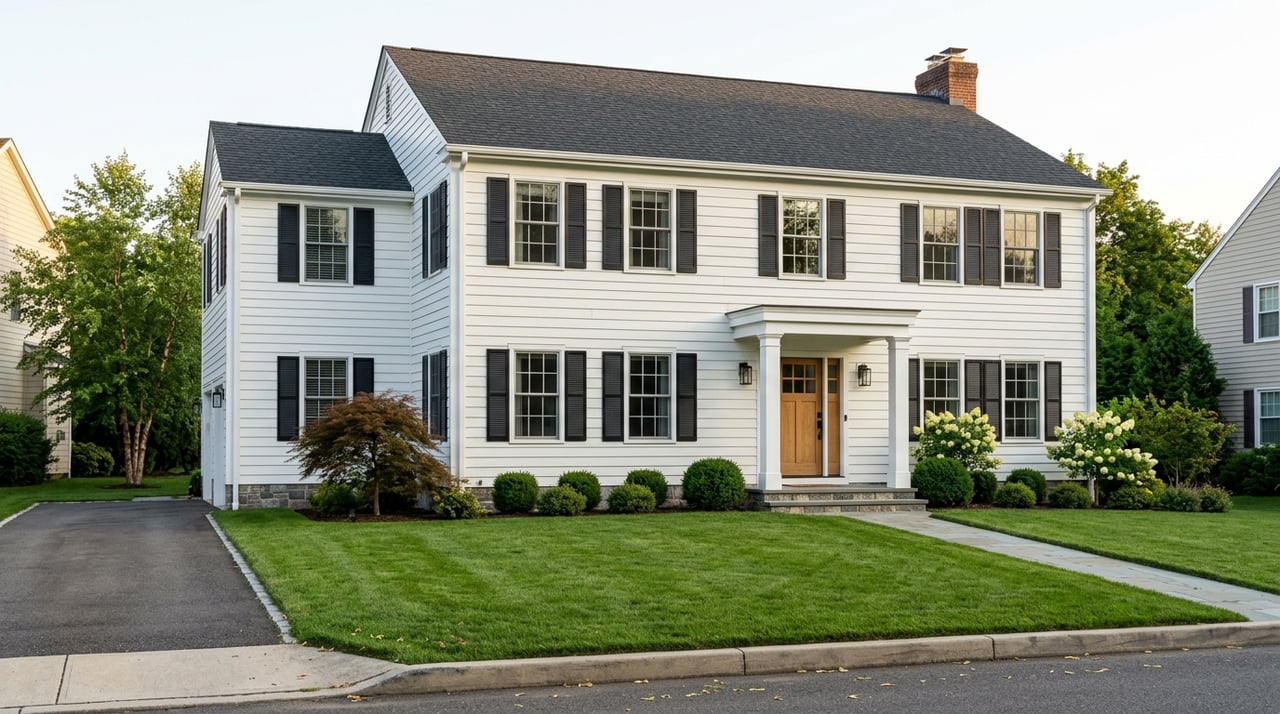
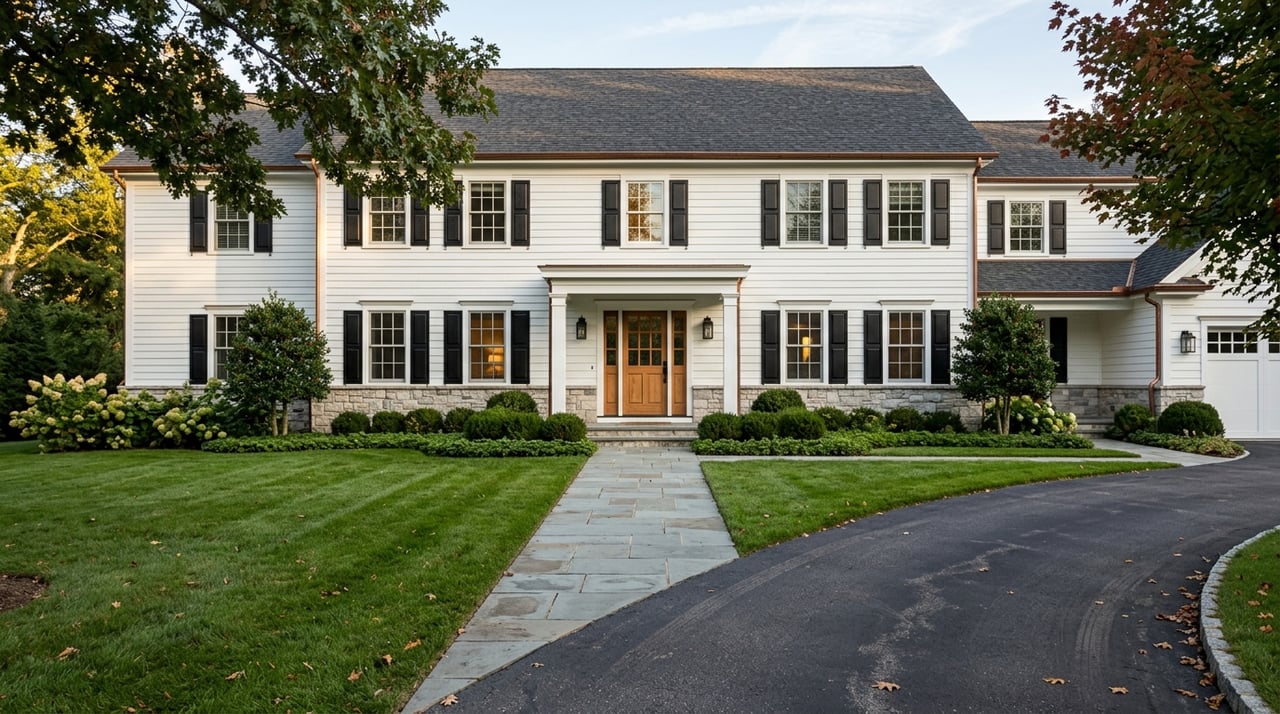
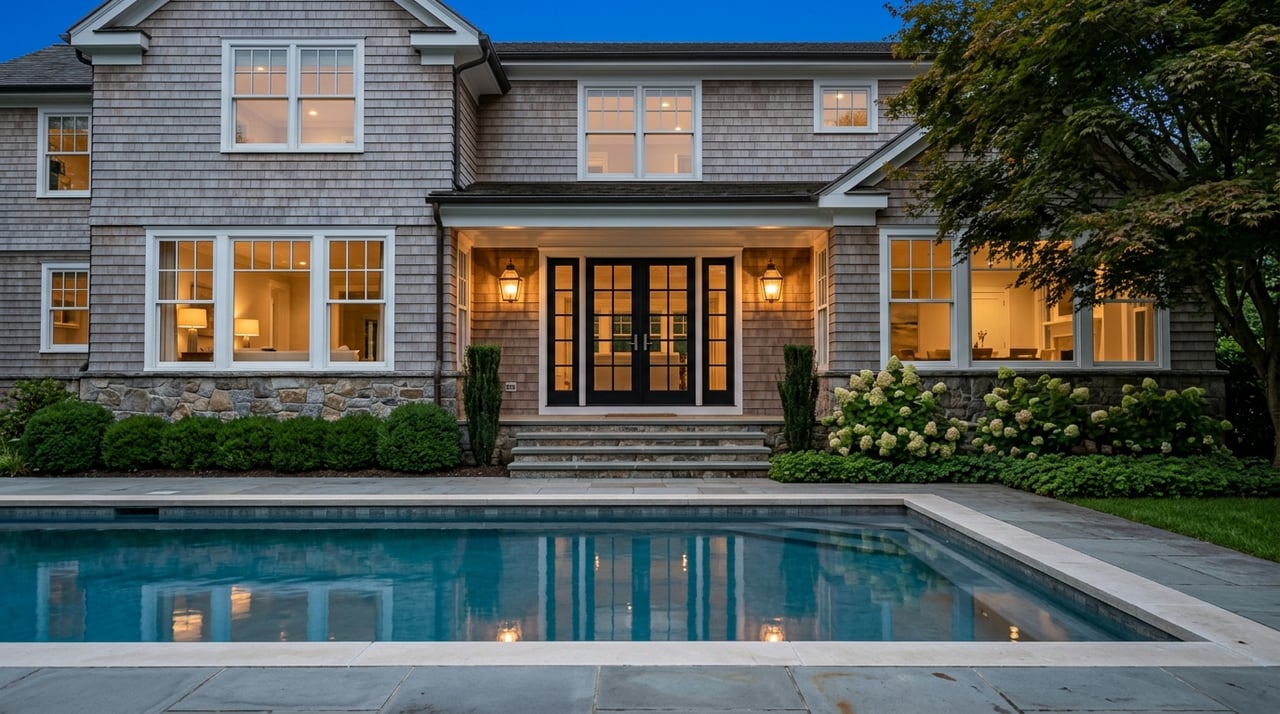
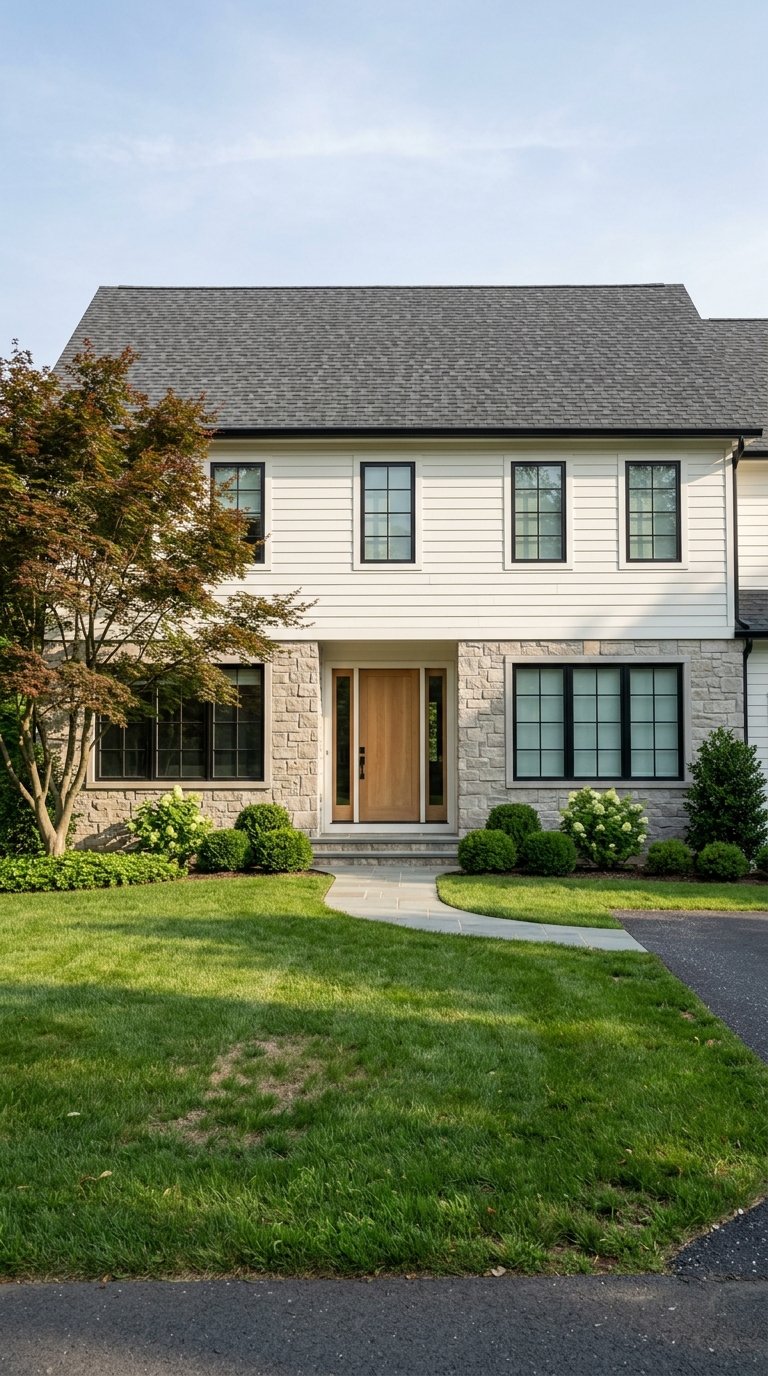
For many investors, single-family homes are the clearest fit in Orangeburg. Orangetown’s comprehensive plan identifies single-family residential as the predominant land use across the town, which supports the idea that this product type aligns most naturally with the area’s housing pattern.
That matters for two reasons. First, single-family homes often fit the expectations of long-term tenants in suburban settings. Second, they usually offer a cleaner resale path because the buyer pool may include both future owner-occupants and some investors.
In an owner-heavy hamlet like Orangeburg, that dual appeal can make a big difference. If your investment plan depends on flexibility at resale, single-family homes may offer the most straightforward path.
Why single-family homes may work here
- They align with the predominant residential pattern in Orangetown.
- They may appeal to long-term tenants looking for suburban housing.
- They often support a stronger owner-occupant resale story.
- They fit Orangeburg’s broader long-term hold profile better than quick-flip thinking.
Small Multifamily and House-Hack Options
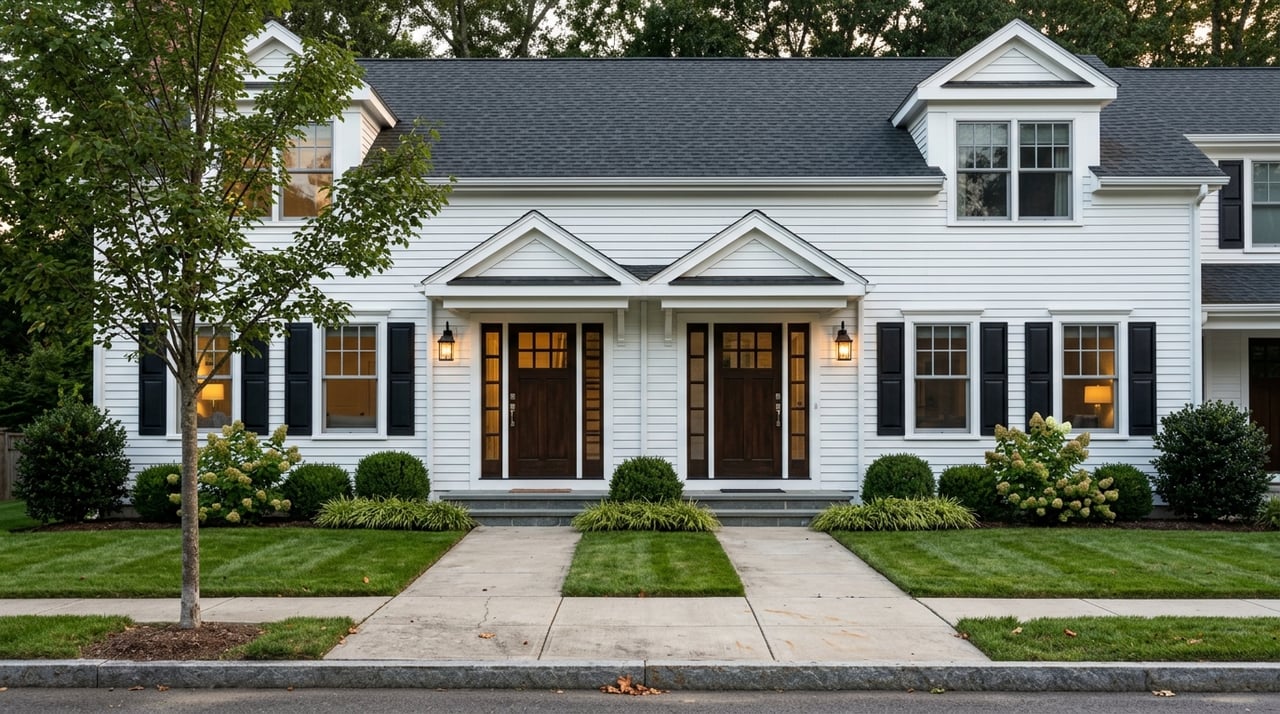
Small multifamily properties and house-hack setups can also make sense in Orangeburg, but they require more care upfront. Orangetown’s comprehensive plan calls for greater housing diversity, including duplexes, townhomes, mixed-use buildings, and apartment-building-style condominiums in appropriate areas.
That creates opportunity, but not without limits. These property types are more zoning-sensitive, and local compliance should be part of your planning from day one. The Rockland County Department of Health enforces housing hygiene and occupancy rules for single-family dwellings, multiple dwellings, rental properties, and owner-occupied premises, and it advises owners to confirm certificate-of-occupancy information with the town building department.
If you are considering a house-hack or a small multifamily investment, underwriting should include more than mortgage and rent assumptions. You also need to account for occupancy rules, approvals, and whether the property’s setup matches local requirements.
What to evaluate before buying a small multifamily property
- Current certificate-of-occupancy status
- Permitted use under local zoning and building rules
- Layout practicality for long-term occupancy
- Ongoing maintenance and compliance costs
- Future resale appeal if investor demand softens
Townhomes and Condo-Style Properties
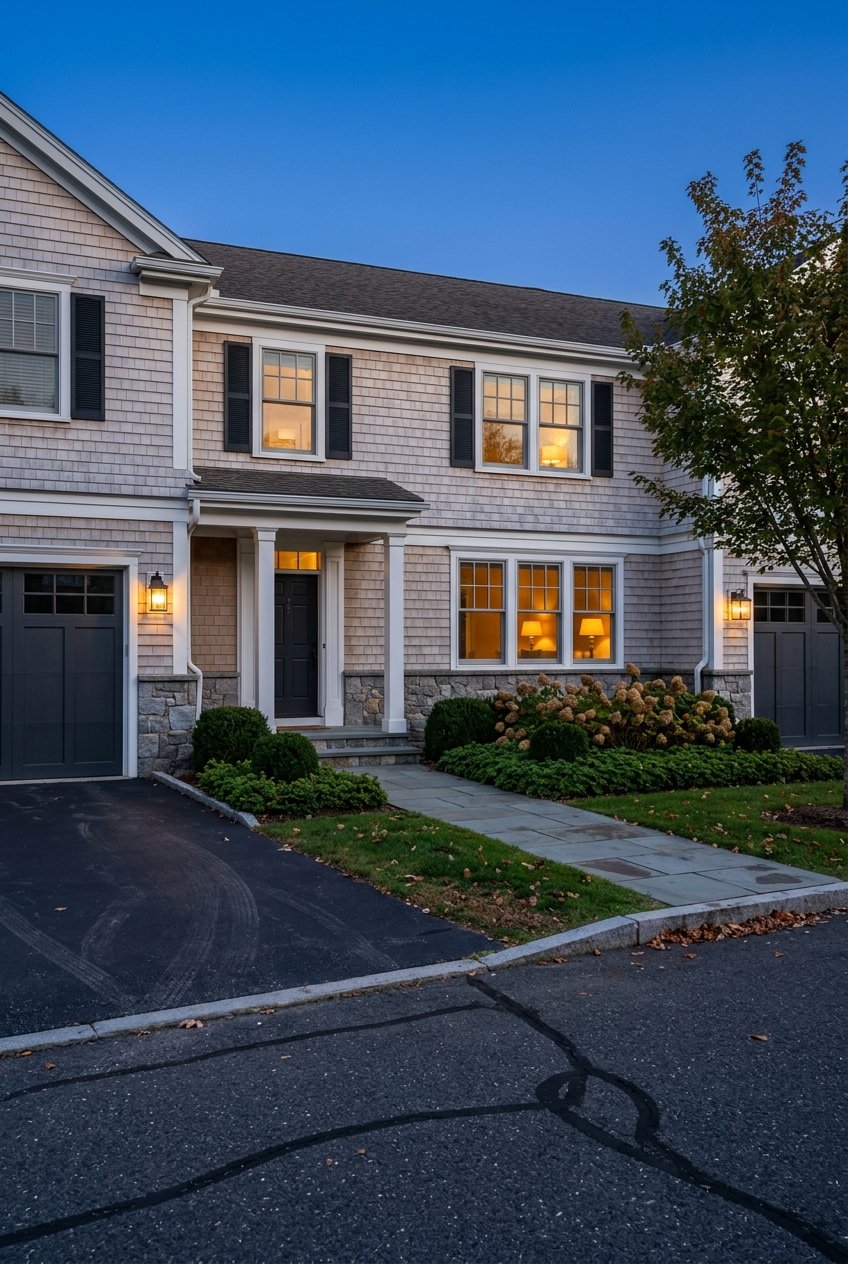
Townhomes and condo-style housing can be a strong middle-ground option in Orangeburg. The town’s planning direction supports more housing diversity, and these property types may appeal to owner-occupants, downsizers, and long-term investors alike.
From an investment perspective, this matters because broader buyer appeal often helps support future resale flexibility. In a market that is not driven by dense rental inventory, a property that can attract both a resident buyer and an investor may put you in a better position later.
These properties may also be worth considering if you want lower exterior maintenance responsibilities than a detached home. That said, the right fit still depends on pricing, monthly costs, and how the unit compares with nearby alternatives.
What Drives Demand in Orangeburg
Road Access and Commuter Convenience
Transportation access is one of Orangeburg’s strongest demand drivers. Orangetown places Town Hall at Exit 6E on the Palisades Interstate Parkway, and official corridor planning identifies Route 303 as a major commuter and commercial traffic corridor connected to the Thruway, Route 59, and the Palisades Interstate Parkway.
New York State DOT says the Palisades Interstate Parkway carries more than 6.5 million vehicles a year. That scale of traffic reinforces how important road connectivity is to the area. For investors, homes with practical access to major routes may benefit from broader day-to-day demand.
At the county level, Rockland County notes that it is about 30 miles northwest of New York City, with access to I-87, the Garden State Parkway, the Palisades Interstate Parkway, Metro-North, NJ Transit, TOR, Hudson Link, and Rockland Coaches. That regional connectivity supports Orangeburg’s appeal for people whose routines extend across Rockland, North Jersey, and the wider tri-state area.
Colleges and Institutional Anchors
Orangeburg also benefits from nearby colleges and educational institutions. Dominican University New York is located in Orangeburg at 470 Western Highway. The university notes that its campus is 17 miles north of New York City and 3 miles north of Bergen County, New Jersey, with bus access through TOR Route 92 and Red and Tan Lines Bus 20.
Rockland Community College, which serves more than 5,300 people in credit and non-credit courses, also operates a center in Orangeburg. St. Thomas Aquinas College is nearby in Sparkill. These institutions add another layer of local housing demand and help support the case for stable, long-term occupancy needs in the area.
Commercial Corridors and Daily Convenience
Orangeburg’s local land-use pattern adds another practical advantage. The town plan notes commercial development along Orangeburg Road and Route 303, including department and grocery stores, plus some manufacturing and warehousing.
For an investor, this matters because convenience can shape demand. Properties with access to these corridors and nearby institutional anchors may have broader appeal than sites that feel more disconnected from Orangeburg’s main activity zones.
How to Think About Vacancy Risk
Rockland County’s 2024 housing needs assessment points to a relatively tight market. Using 2021 ACS data, the report shows 102,161 occupied homes and 5,548 vacant homes across the county. For Orangetown, it shows 12,976 occupied homes and 728 vacant homes, with 83% owner-occupied and 17% renter-occupied.
That owner-heavy profile is important when you build your strategy. In places where renter share is lower, the best investment properties are often the ones that would still be attractive to owner-occupants. That can help protect your exit if rental conditions shift or buyer demand changes.
In Orangeburg, the cleanest exit strategy is often a property that appeals to a resident buyer first and an investor second. That could mean a well-located single-family home, a practical townhome, or a small multifamily property with a clear compliance story and strong everyday livability.
A Practical Investment Approach
If you are trying to keep your search focused, Orangeburg is best viewed as a long-term hold market. The strongest case here is not based on dense urban rental volume or speculative appreciation alone. It is based on commuter access, institutional anchors, a small and stable housing footprint, and property types that fit local demand.
A practical approach may look like this:
- Prioritize properties that match Orangeburg’s residential character.
- Focus on long-term demand rather than short-term turnover.
- Underwrite compliance carefully for multifamily or house-hack opportunities.
- Favor homes with broad resale appeal to future owner-occupants.
- Pay close attention to access near Route 303, Orangeburg Road, and major commuting routes.
That kind of discipline can help you avoid forcing an investment strategy onto a market that does not naturally support it. In Orangeburg, fit matters.
Who Orangeburg May Suit Best
Orangeburg may be a good fit if you are looking for a suburban investment market with steady fundamentals and a practical location. It can especially make sense if you value road access, a position within the Rockland and North Jersey orbit, and housing types that support long-term ownership.
It may be less attractive if you are looking for a high-density rental market with a large pipeline of investor-targeted inventory. The hamlet’s structure suggests a different kind of opportunity. Here, success is more likely to come from buying the right property type in the right location and holding with patience.
If you are weighing a purchase in Orangeburg or planning your next move in Rockland County, working with a team that understands pricing, presentation, and cross-state market dynamics can make the process much smoother. Connect with The Molfetta Team for informed guidance on Orangeburg housing options, local market positioning, and your next investment opportunity.
FAQs
What types of investment properties are most common in Orangeburg?
- Single-family homes are the most natural fit based on Orangetown’s land-use pattern, while some small multifamily, townhome, and condo-style opportunities may also make sense in appropriate areas.
Is Orangeburg a good place for long-term real estate investing?
- Orangeburg appears better suited to long-term holds than speculative strategies because of its owner-heavy housing mix, commuter access, and institution-supported demand.
What makes Orangeburg different from a dense rental market?
- Orangeburg is a small hamlet without a distinct downtown, and its housing story is shaped more by suburban ownership, road access, and local institutions than by high-density rental turnover.
What should investors check before buying a multifamily property in Orangeburg?
- You should confirm certificate-of-occupancy information, review local zoning and permitted use, and factor compliance with county housing hygiene and occupancy rules into your underwriting.
Why does owner-occupancy matter when investing in Orangeburg?
- A high owner-occupied share can support resale flexibility because properties that appeal to future primary residents may offer a cleaner exit path in an owner-heavy market.