Wondering if Montebello is the right place to buy your next home? For many buyers, the appeal is easy to see: a residential setting with a wooded, low-density feel, larger lots, and access to Rockland County and regional commuting routes. But buying here is not just about the house itself. You also need to understand the lot, the rules that may affect future changes, and the day-to-day logistics tied to the address. This guide will help you evaluate Montebello with more confidence and ask smarter questions before you make an offer. Let’s dive in.
Why Montebello stands out
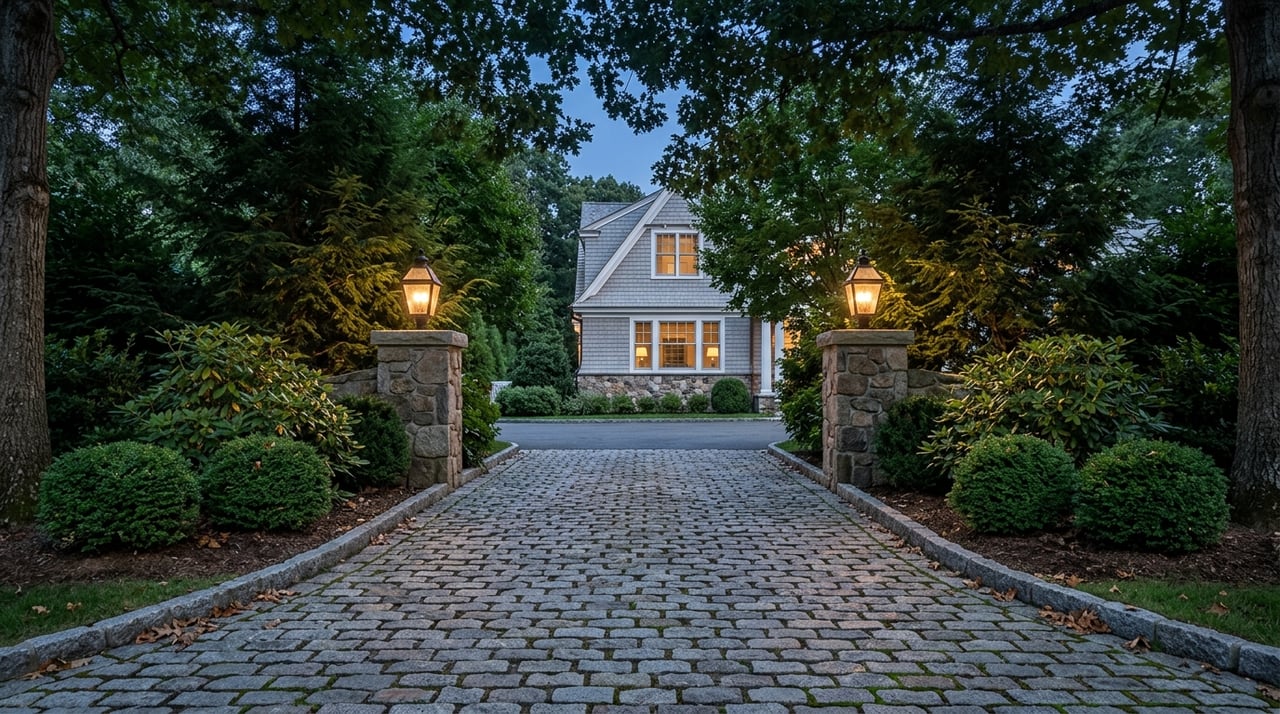
Montebello is a village in Rockland County that covers about 4.75 square miles and was incorporated in 1986. The village describes itself as largely rural and as one of the prime residential areas in Rockland County. That character shapes what many buyers notice first: wooded surroundings, winding roads, and a more private residential feel.
The local housing profile also reflects that positioning. Census Reporter lists Montebello’s population at 4,673, median household income at $133,750, and median owner-occupied home value at $847,100. That home value is above Rockland County’s median owner-occupied value of $667,500, which helps explain why buyers often approach Montebello as a higher-value market within the county.
What homes look like in Montebello
A big part of buying in Montebello is understanding the housing stock. The village’s zoning ranges from R-15 through RR-80, with RR-50 making up the majority of residential zoning. In practical terms, that supports the low-density pattern many buyers expect when shopping here.
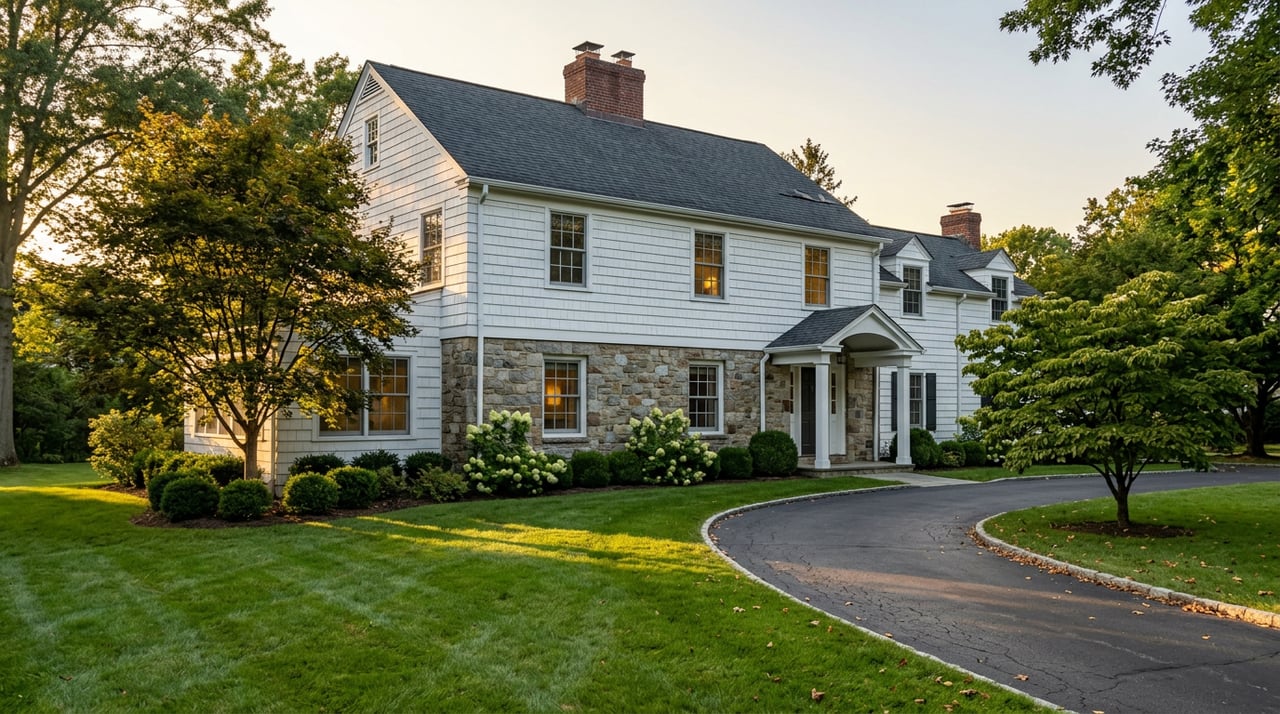
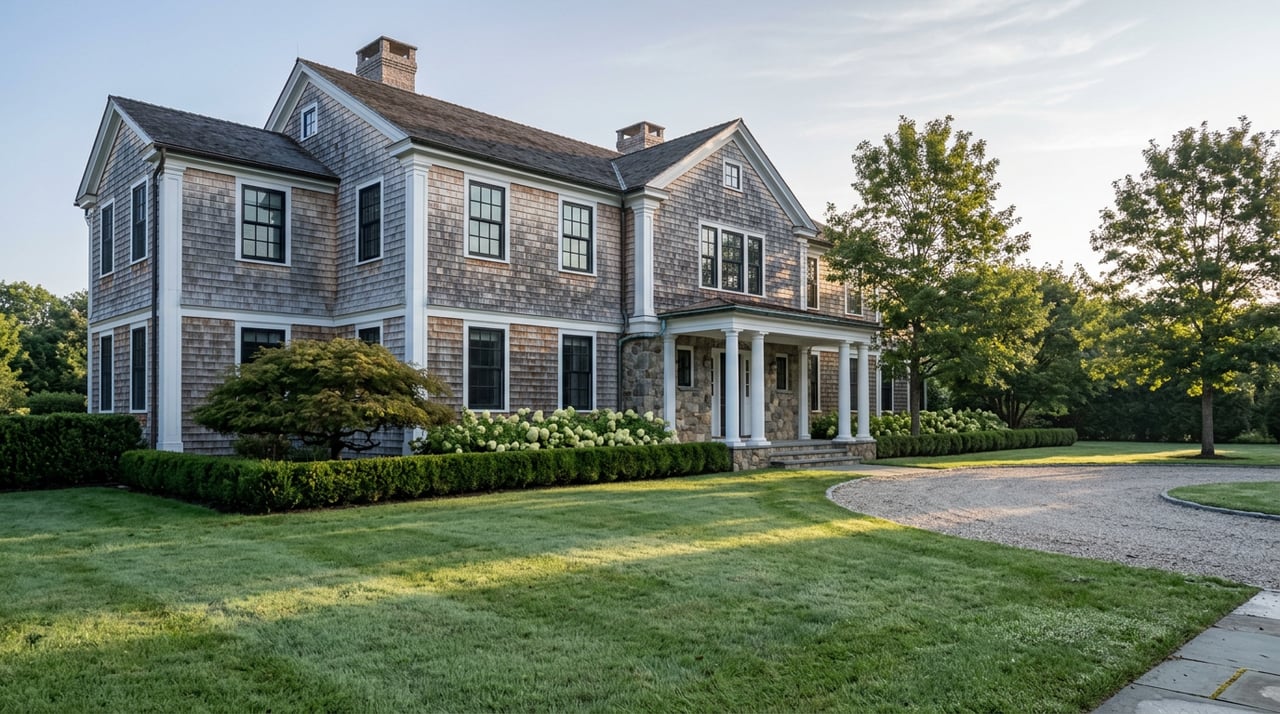
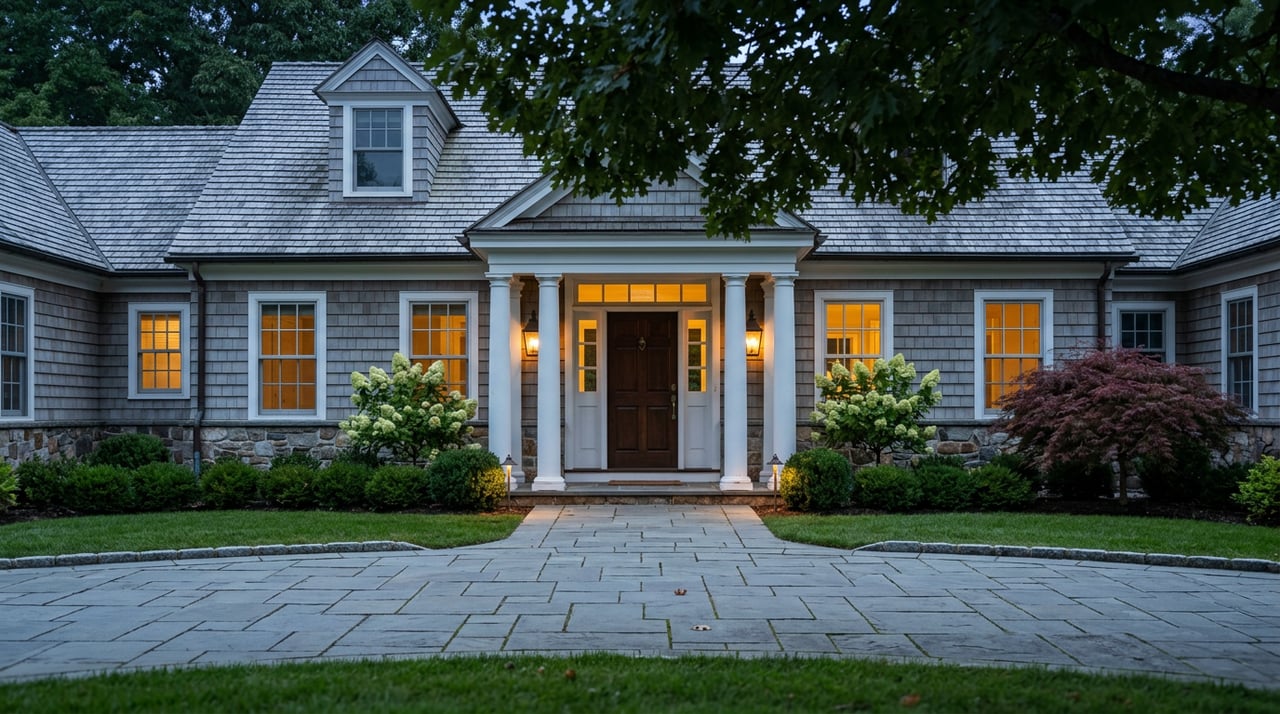
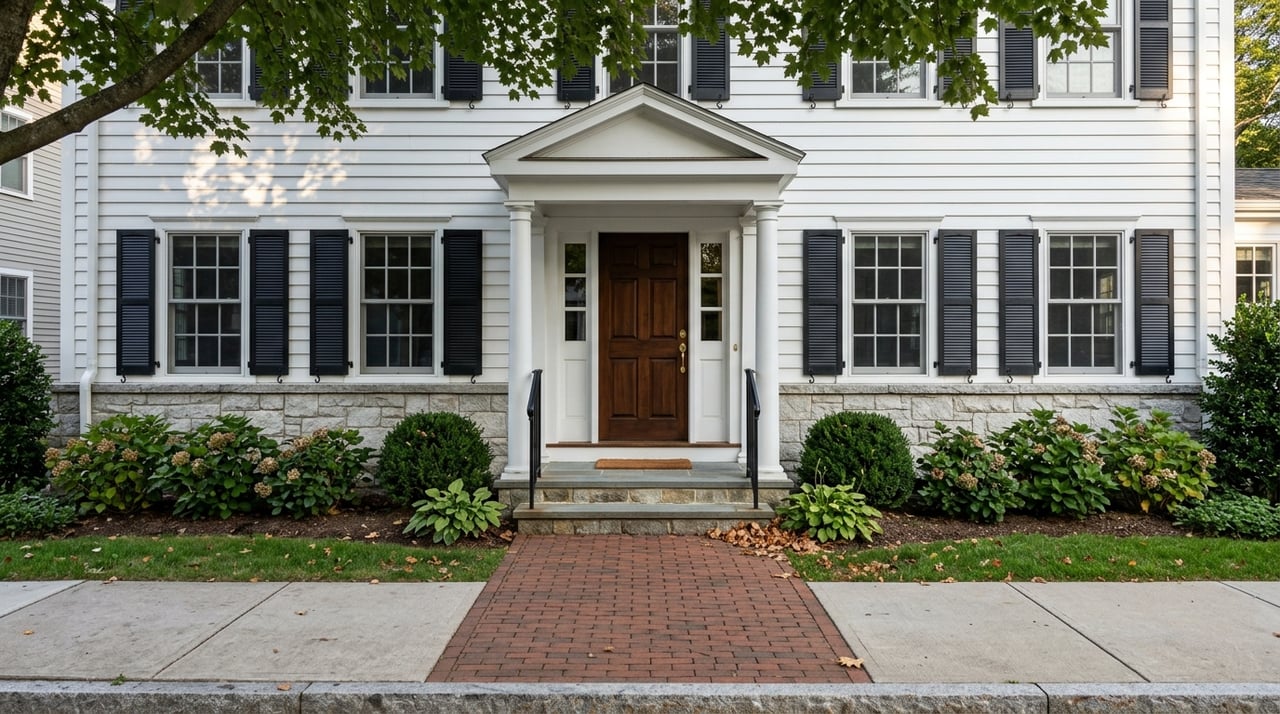
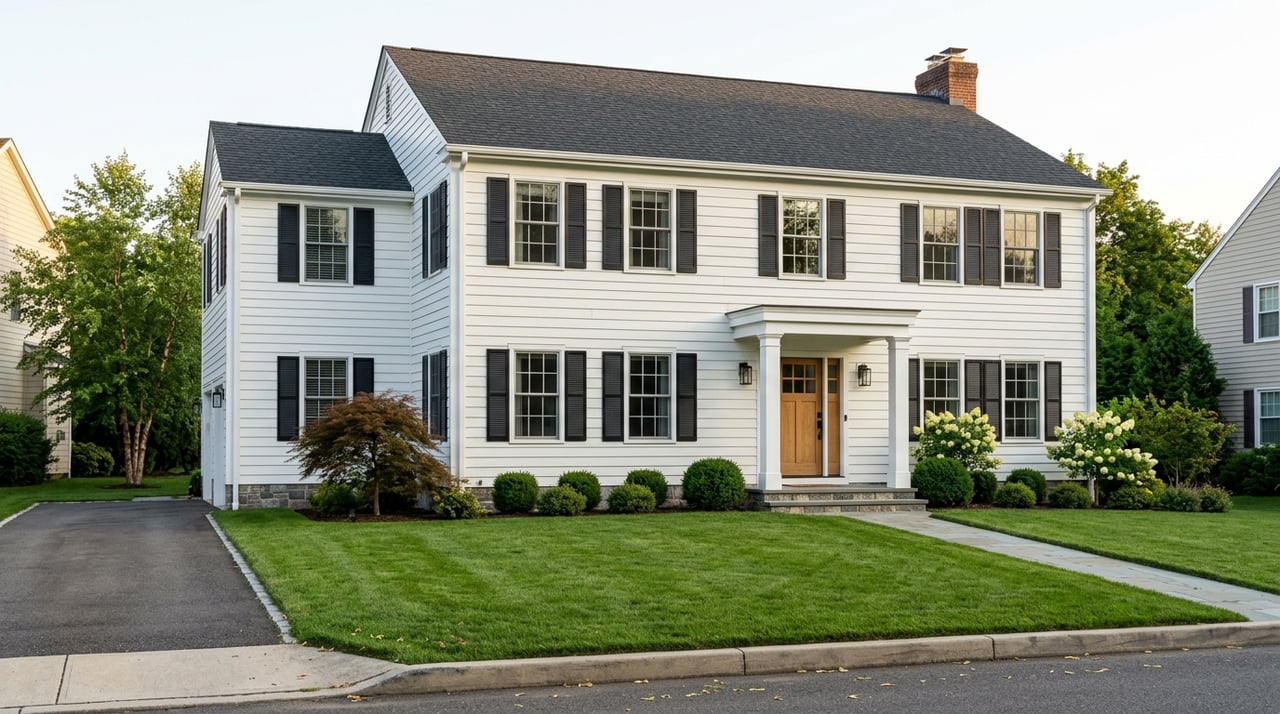
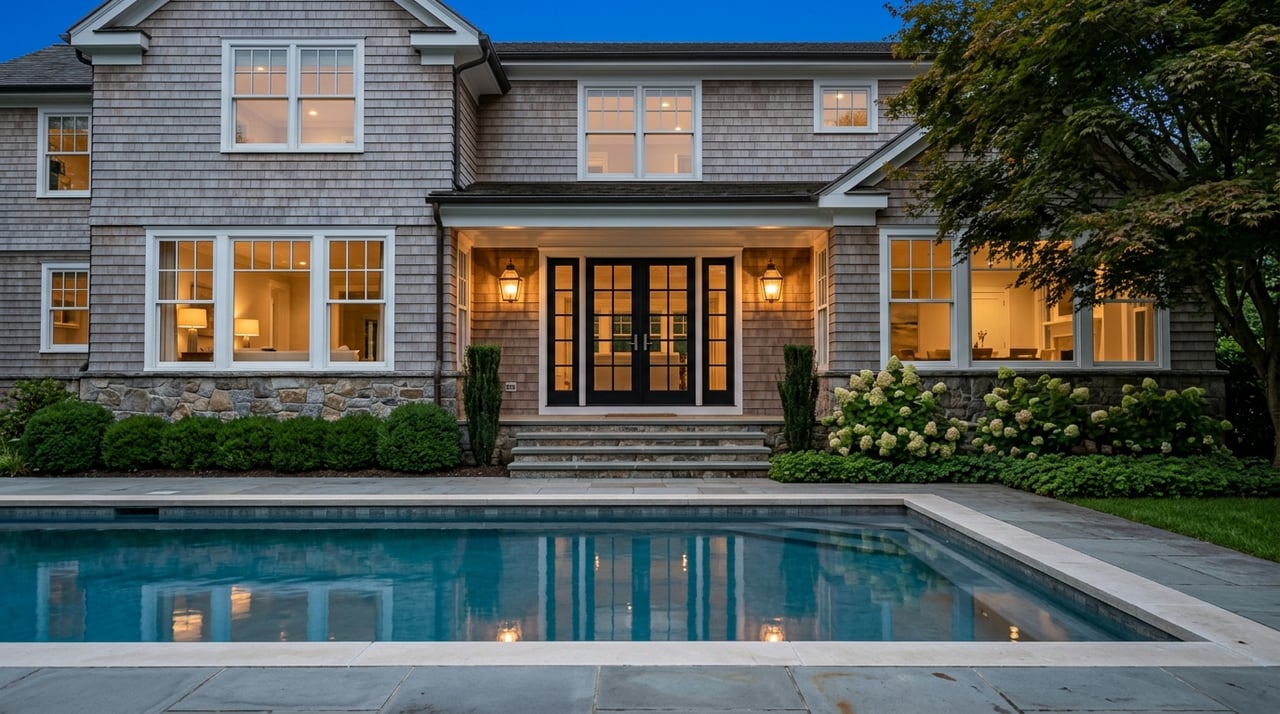
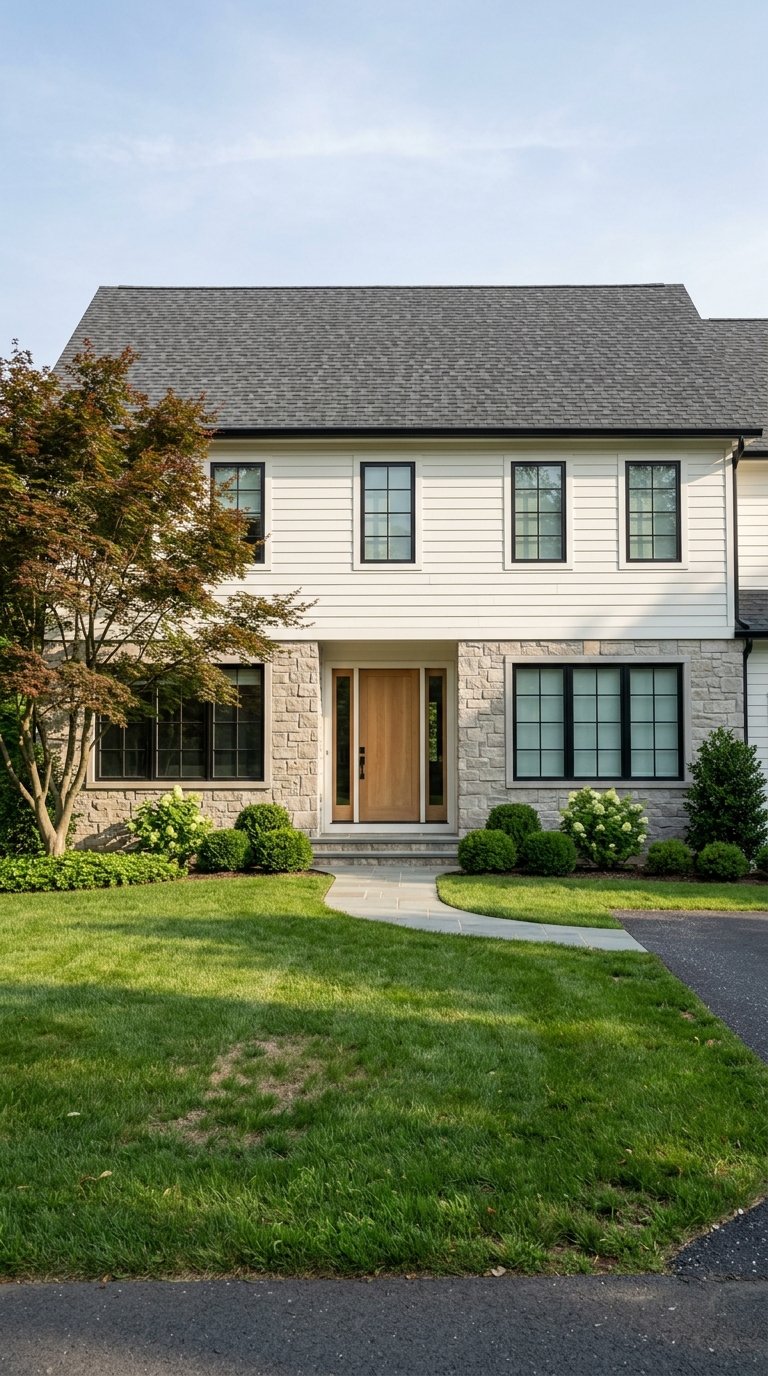
The village’s 2025 draft comprehensive plan says the low-density residential area is intended for single-family detached homes on 25,000- or 35,000-square-foot lots. It also notes that these neighborhoods are largely built out and often include ranches, raised ranches, and simple two-story homes built from the 1950s through the 1980s. If you are hoping for a brand-new build on an untouched lot, you may find fewer opportunities than in markets with more open land.
That resale-driven market changes how you should compare properties. In Montebello, the home’s interior updates matter, but so do lot shape, tree coverage, privacy, slope, and usable outdoor space. A beautifully renovated house may still need a closer look if the land creates limits on future plans.
Lot character matters here
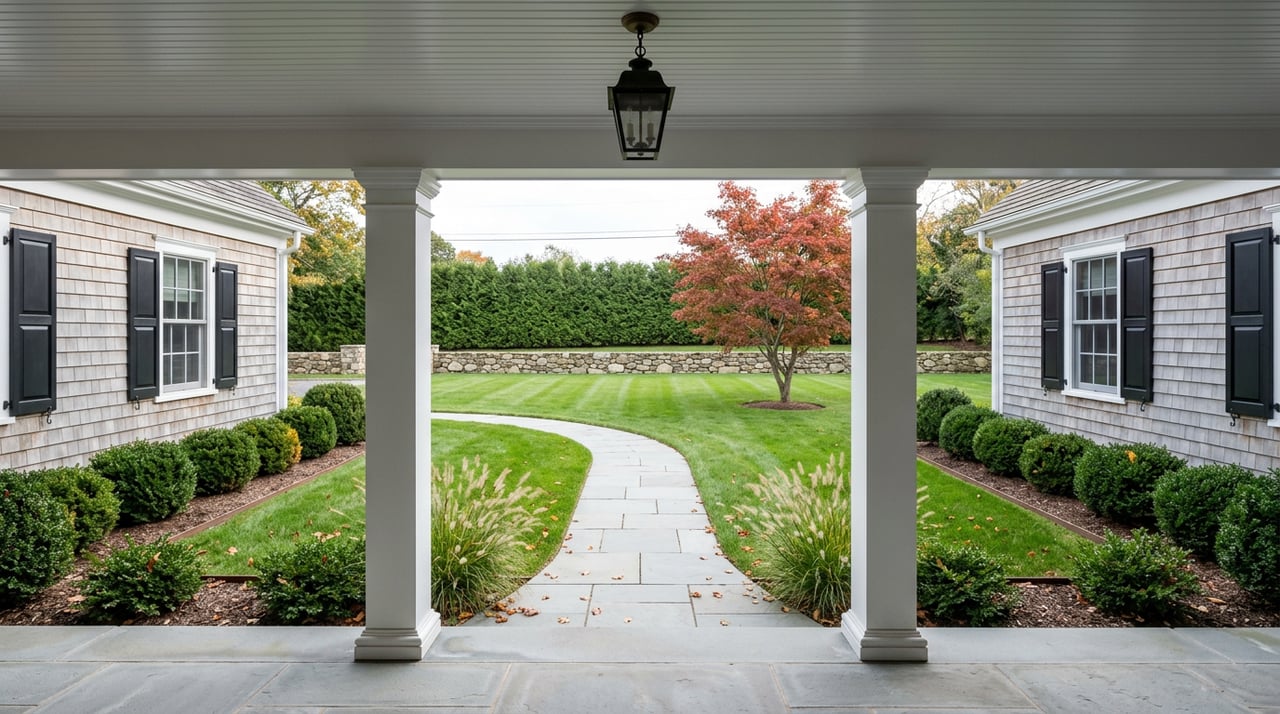
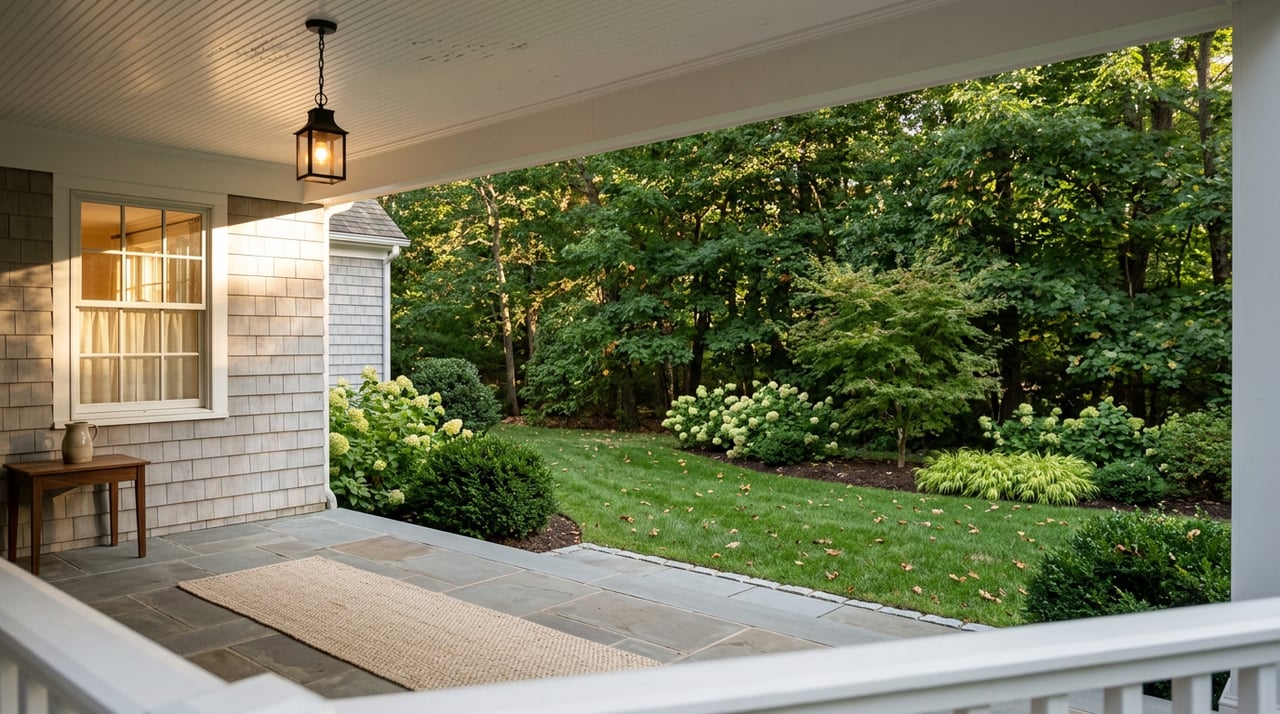
Montebello places strong emphasis on preserving its wooded rural character. The village highlights tree-lined roads, stone walls, older fences, openness, and an undeveloped setting as important parts of that identity. For you as a buyer, that means the land around the house can be just as important as the square footage inside it.
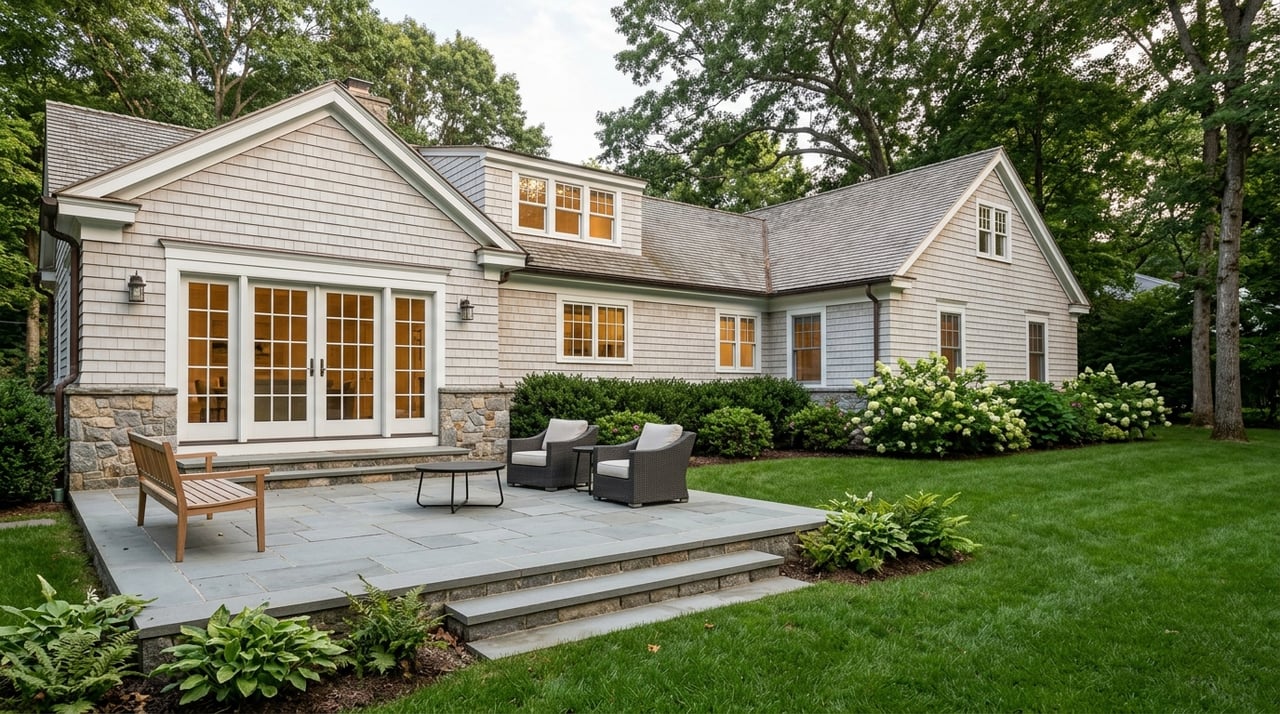
Some properties are subject to conservation easements, and tree removal is regulated through permits. If you are comparing homes, it is smart to think beyond curb appeal and ask practical questions about what you can actually change later. For example, a backyard that looks ideal for a pool, patio, or expanded lawn may come with restrictions or approvals you will need to address.
This is one reason Montebello often rewards buyers who do detailed due diligence early. You are not just buying finishes and floor plans. You are buying a specific parcel with its own conditions, approvals, and limitations.
Understand future improvement limits
One of the most common buyer questions in Montebello is simple: What can I build later? The answer depends on the property’s zoning district, setbacks, and floor-area limits. The village’s draft plan also notes that larger replacement homes can be out of character on some bigger lots, which is another sign that future expansion should be reviewed carefully.
If you think you may want to add a patio, pool, addition, detached structure, or major landscaping changes, ask those questions before you close. Montebello’s Building Department reviews permit applications, planning and zoning applications, and inspections. That makes it important to confirm what work was already approved and what would still need review.
Tree rules are especially important on wooded lots. The village says tree removal generally requires a permit for trees 4 inches caliper or larger, and penalties for violations can be significant. If a home’s value to you depends on changing the site, that should be part of your purchase decision, not an afterthought.
Pay close attention to drainage and flooding
In a village with wooded lots and varied site conditions, drainage can be a major factor. Montebello’s draft 2025 comprehensive-plan notice says the village is considering stronger protections for aquifers and public water supply and is identifying properties affected by increasing flooding events. While that is planning context rather than a final rule, it is still a strong signal for buyers.
During your home search, look closely at grading, retaining walls, basement moisture, runoff patterns, and stormwater management. A home can look great during a showing but still have site conditions that deserve a deeper inspection. This is especially true if the lot slopes, includes heavy tree cover, or shows signs of past water movement.
Flood risk should also be checked address by address. FEMA says its flood maps are the official source for flood-hazard information, and it also notes that flooding can happen outside high-risk zones. Before closing, it is wise to review the flood map for the property and consider any insurance implications.
Verify utility and service details
Not every property follows the same setup. Village planning forms show that utility and service districts are tracked on a parcel-by-parcel basis, including water, sewer, ambulance, and postal district information. That means you should verify the exact arrangement for the address you are considering rather than assume it matches another home nearby.
This can affect your planning in practical ways. It may shape how you think about monthly costs, future improvements, and the property’s overall convenience. Even in the same village, details can vary more than buyers expect.
Think through commute and access
If you commute for work or want easy regional access, Montebello’s location is an important part of the decision. Census data shows a mean travel time to work of 33.6 minutes. That gives you a helpful benchmark, though your own route and schedule will matter more than the average.
For rail access, nearby Suffern Station serves the Metro-North Port Jervis Line. NJ TRANSIT lists the station at Ramapo Avenue and Chestnut Street and notes that it has parking and bike racks or lockers. The MTA says the station is not accessible and identifies Ramsey-Route 17 and Harriman as the nearest accessible stations, while also listing Hudson Link and Transport of Rockland as connecting services.
When you tour homes, it helps to test the full routine, not just the drive time on paper. Think about how long it takes to get from the house to the station, where you park, and how the property’s location fits your daily schedule.
Know the school district structure
For buyers who want to understand local school logistics, Montebello is served by the Suffern Central School District. The district says it has six schools and about 4,000 students. It also notes that Montebello Elementary serves grades 3 through 5.
The key takeaway is not to make assumptions based on a mailing address or a nearby landmark. If school assignment matters to your move, confirm the specific details for the address you are considering. That can be especially helpful when you are weighing commute convenience, lot location, and day-to-day routines.
Build a strong offer with good protection
In a market where lot conditions and local approvals can matter, a competitive offer should still leave room for smart due diligence. The Consumer Financial Protection Bureau advises buyers to schedule a home inspection early, since an inspection is different from an appraisal and can support negotiation or cancellation if the contract includes that contingency. That is especially relevant in Montebello, where site conditions may be as important as the home itself.
The same guidance recommends contacting several lenders and requesting multiple Loan Estimates. It also says preapproval letters are commonly used to show sellers that financing is likely to be available. In a higher-value market, strong financial preparation can help your offer stand out.
New York’s Attorney General advises buyers to have their own attorney review contracts and loan documents before signing. That step can be especially valuable when a property includes questions about permits, easements, or future exterior changes. A careful review now can help you avoid expensive surprises later.
A smart Montebello buying checklist
Before you move forward on a Montebello property, make sure you have answers to these core questions:
- What is the property’s zoning district?
- What setbacks or size limits could affect future additions?
- Are there conservation easements on the lot?
- Will tree removal require permits?
- Has prior exterior work been properly approved?
- How does the lot handle drainage and stormwater?
- Is the property in or near a FEMA flood zone?
- What are the exact utility and service district details for the parcel?
- How does the commute work in real life, not just online?
- Are you fully preapproved and ready for attorney review?
Montebello can be an excellent fit if you want space, privacy, and a more established residential setting in Rockland County. The key is to evaluate each property as both a home and a parcel with its own rules, features, and long-term possibilities.
When you buy with that mindset, you are more likely to choose a property that fits both your lifestyle today and your plans for the future. If you want local guidance on buying in Montebello or across Rockland County and northern New Jersey, connect with The Molfetta Team.
FAQs
What should buyers know about Montebello lot restrictions?
- Buyers should check zoning, setbacks, floor-area limits, conservation easements, and tree-removal rules because future changes to the property may require village review or permits.
What types of homes are common in Montebello?
- Montebello’s low-density residential areas are largely made up of single-family detached homes, often ranches, raised ranches, and simple two-story homes built from the 1950s through the 1980s.
What should buyers check about flooding in Montebello?
- Buyers should review FEMA flood maps for the specific address and pay close attention to drainage, grading, basement moisture, runoff, and stormwater conditions during inspections.
What is the commute like from Montebello?
- Census data shows a mean travel time to work of 33.6 minutes, and nearby Suffern Station offers rail access on the Metro-North Port Jervis Line with connecting transit services.
What school district serves Montebello homes?
- Montebello is served by the Suffern Central School District, which says it has six schools and about 4,000 students, with Montebello Elementary serving grades 3 through 5.
Why is due diligence so important when buying in Montebello?
- Montebello is a market where permits, site conditions, tree rules, drainage, and parcel-specific service details can have a major impact on what you can do with the property after closing.