If privacy, history, and natural beauty are high on your list, Tuxedo Park is hard to ignore. This gated village in Orange County offers a living experience that feels set apart from the usual suburban rhythm, yet it remains connected to the wider region. If you are exploring a move here or thinking about what makes this market so distinct, understanding the day-to-day reality matters. Let’s take a closer look.
What makes Tuxedo Park unique
Tuxedo Park traces its roots to 1886, when Pierre Lorillard IV developed family land into a hunting-and-fishing retreat and residential park with the help of Bruce Price and Ernest Bowditch. The village later incorporated in 1952, but its identity still reflects that Gilded Age beginning. That history is not just a backdrop here. It still shapes how the village looks, feels, and functions today.
This is also a very small community by design. Official village information describes about 330 houses, two apartment buildings with 13 apartments, and 2,086 acres within the village boundary. With three lakes and a gated entry system operated by village police, Tuxedo Park offers a level of privacy and structure that stands out even among other high-end residential areas.
What life behind the gates feels like
In Tuxedo Park, the gates are a real part of daily life, not just a visual detail. The Main Gate allows tagged vehicles and approved guests, vendors, and club attendees, while the South Gate is restricted to residents and property owners. That controlled access helps define the village experience.
For many buyers, that means a stronger sense of separation from through traffic and a more intentionally managed environment. It also means you should expect a community where access, arrival, and visitor coordination are handled differently than in a typical neighborhood. If privacy is one of your top priorities, this setup is part of the appeal.
How the landscape shapes the setting
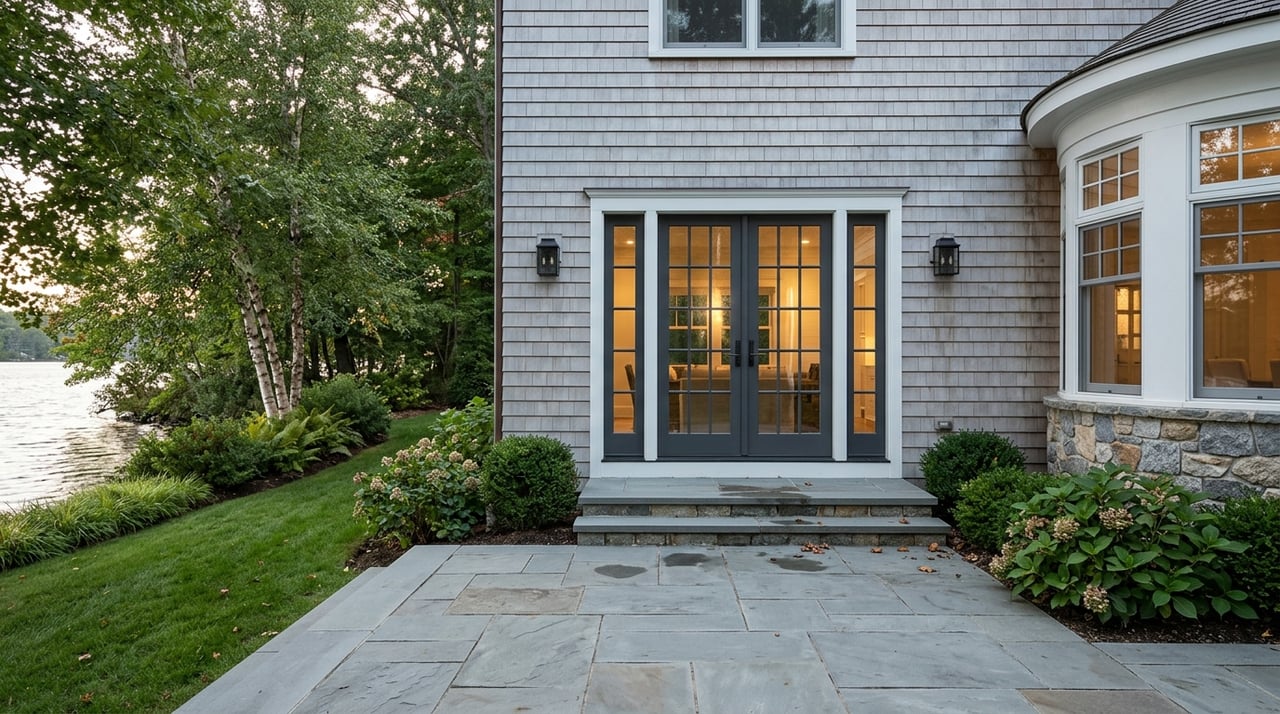
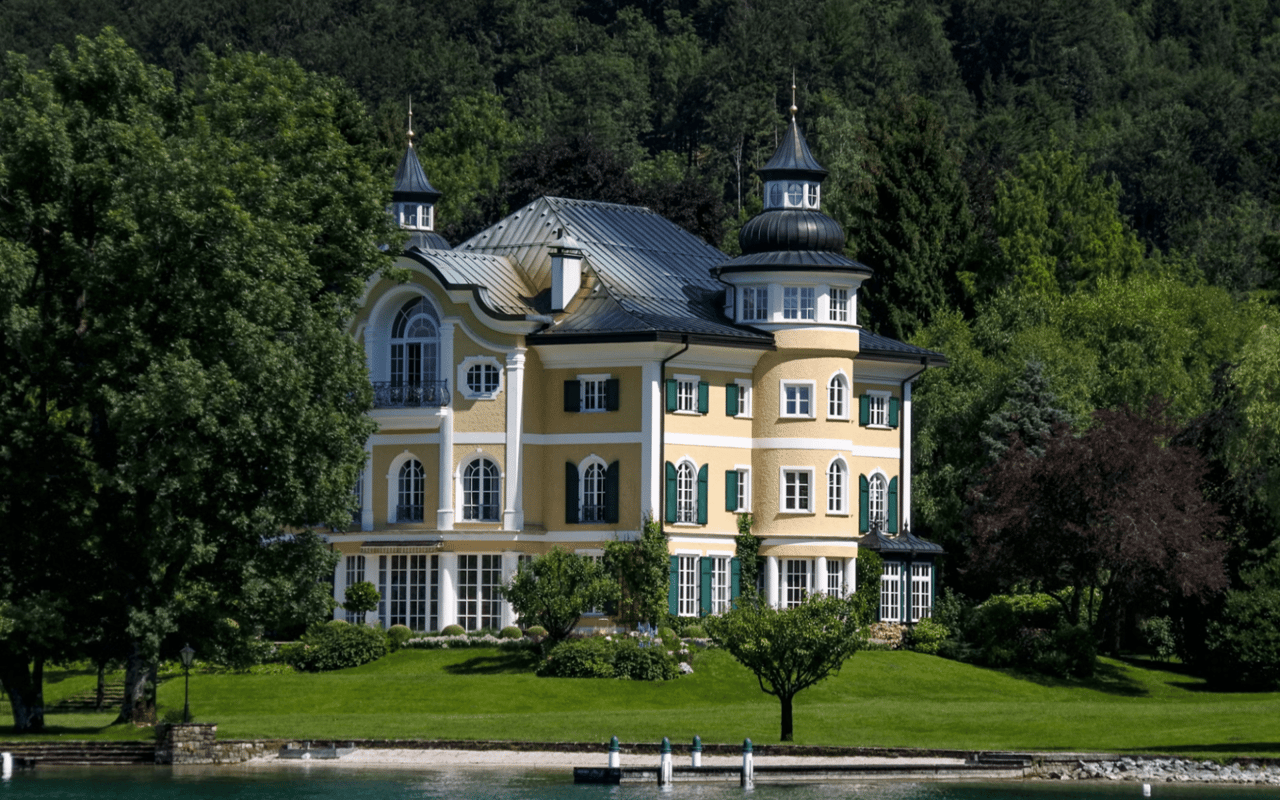
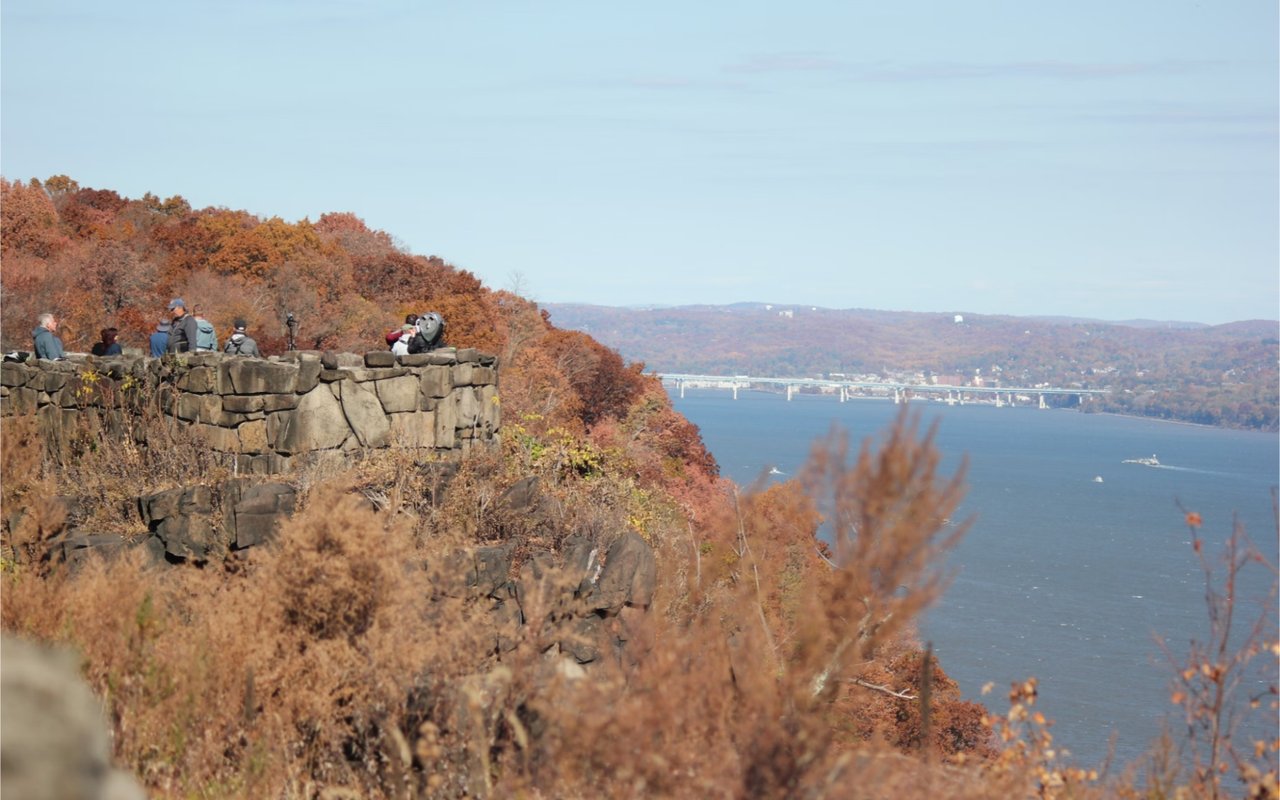
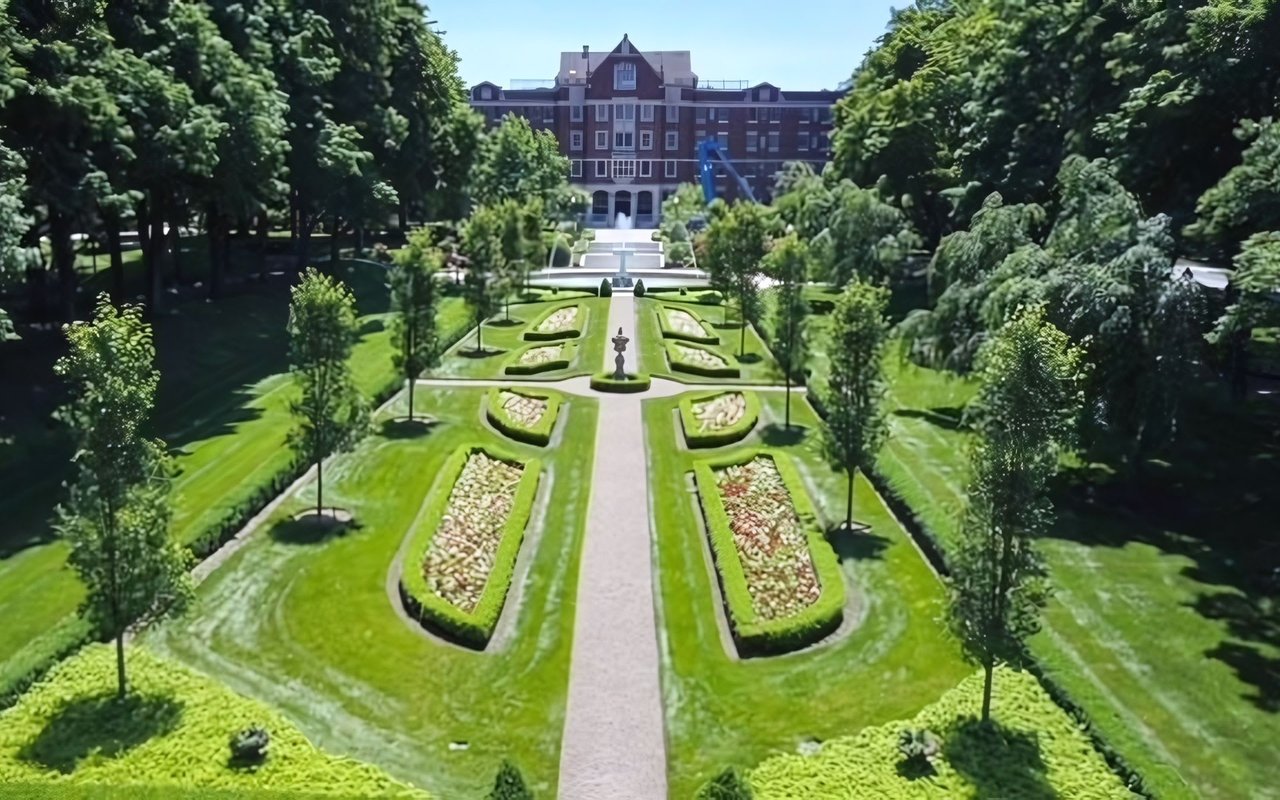
Tuxedo Park is known for its dramatic terrain, mature growth, and lake-centered setting. Village design guidance explains that the community was planned with architecture and landscape as interwoven elements, with sloping, rocky land and dense vegetation influencing how homes were sited and designed. In simple terms, the land is part of the architecture here.
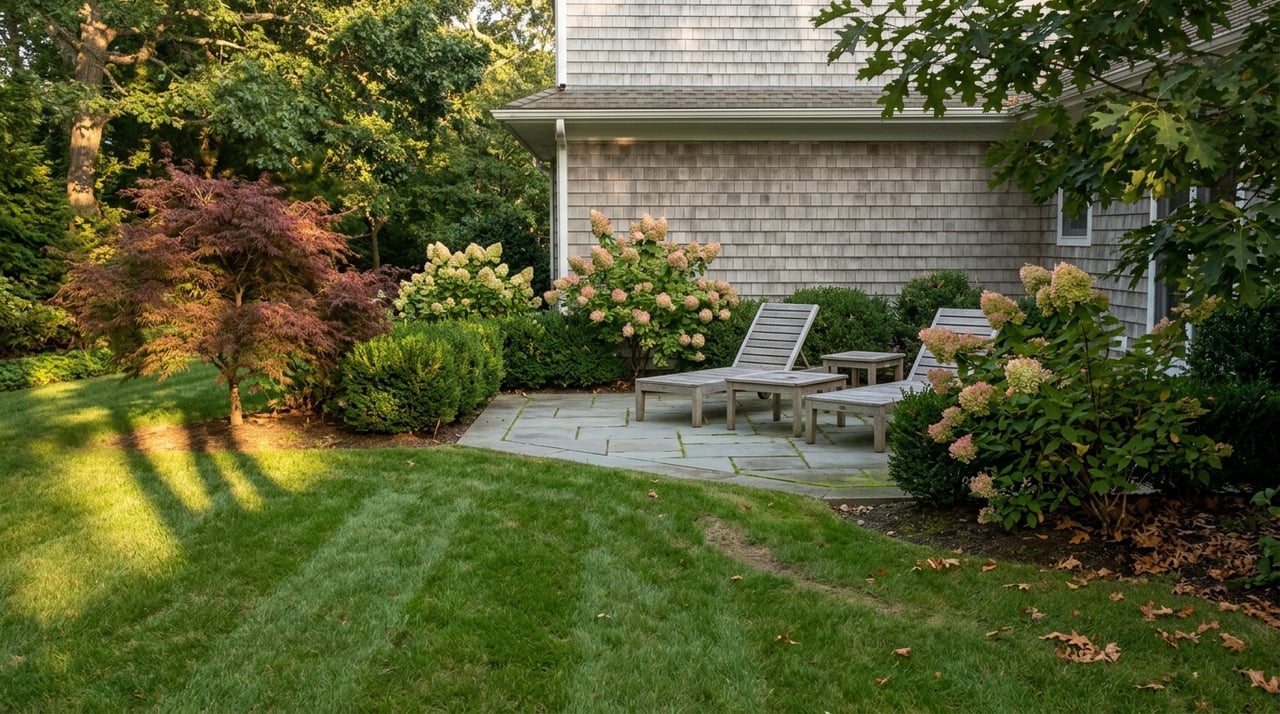
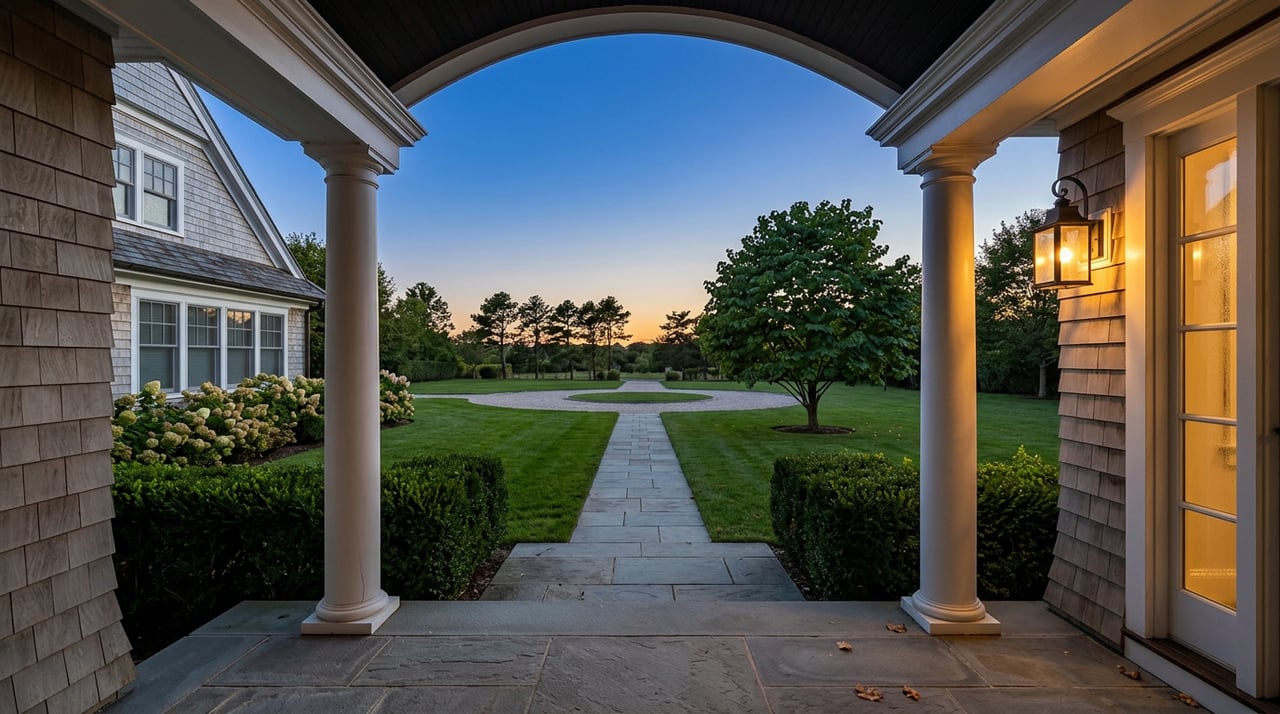
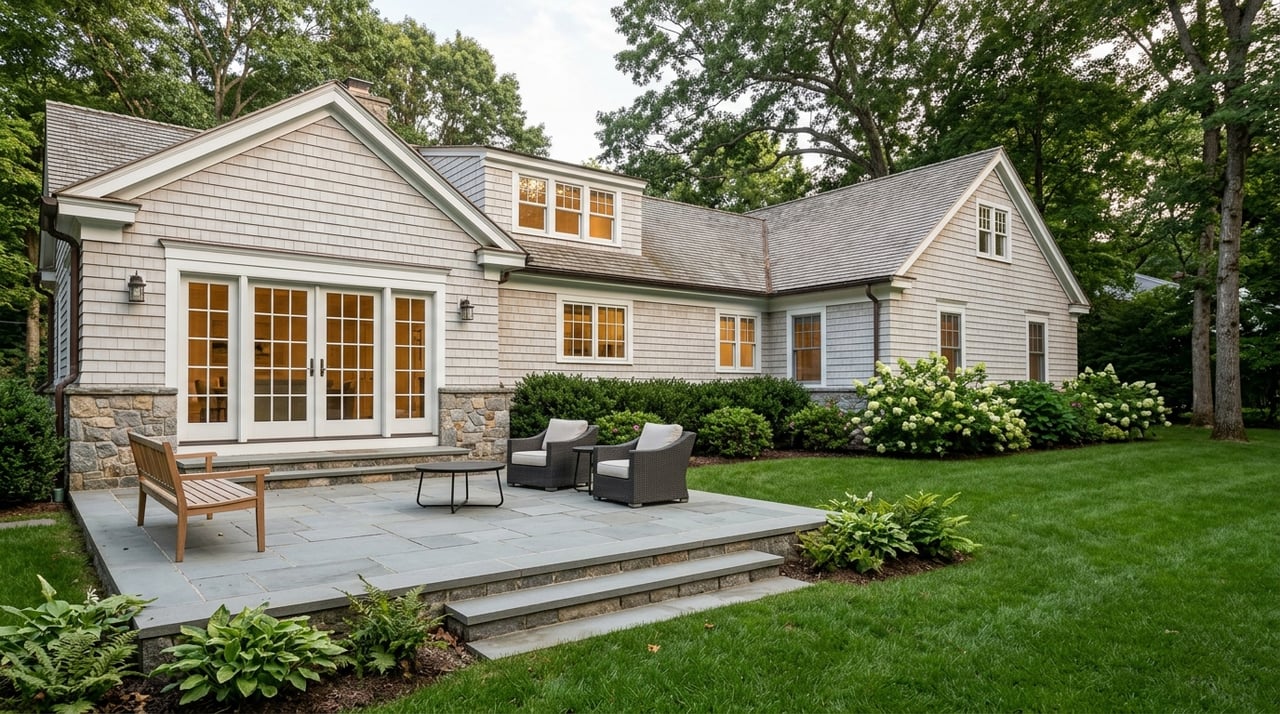
That creates a setting that feels more like an estate district than a conventional suburban grid. Views, elevation changes, stonework, and wooded surroundings all play a role in how properties are experienced. If you are drawn to homes with a strong relationship to their natural setting, this is one of the village’s defining qualities.
Lakes and recreation in Tuxedo Park
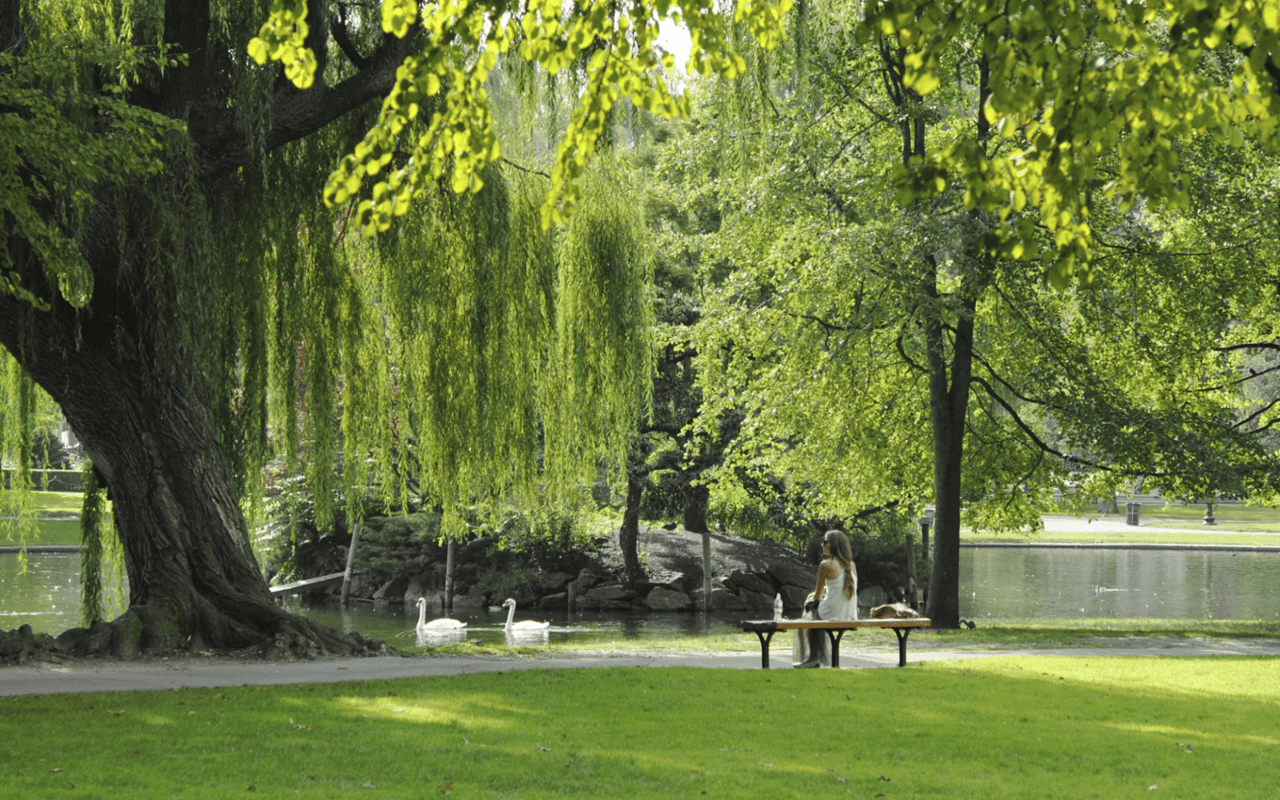
The village includes three lakes: Tuxedo Lake, Pond No. 3, and Wee Wah Lake. These lakes are village-owned, and Tuxedo Lake serves as the primary domestic water supply. Because of that, swimming and powerboating are prohibited on Tuxedo Lake to help protect water quality.
Recreation here is structured rather than fully open-access. The Village Boat Club provides qualified village property owners and taxpayers with access to Tuxedo Lake for kayaking, boating, and fishing. Wee Wah Park and Beach Club offers seasonal bathing-beach access through village or eligible hamlet membership.
That setup is important if you are evaluating lifestyle fit. Tuxedo Park offers lake living, but it does not function like a public resort town. Access is more private, more regulated, and more closely tied to residency and membership.
Outdoor options beyond the village
While the village itself offers a secluded setting, outdoor recreation extends well beyond the gates. Harriman State Park is nearby and includes more than 47,500 acres, 31 lakes and reservoirs, and over 200 miles of trails. Segments of both the Appalachian Trail and the Long Path run through the park.
For buyers who value outdoor access, that proximity adds another layer to daily life in Tuxedo Park. You can enjoy a private residential environment while still being close to major hiking, nature, and recreation opportunities. That balance is part of what makes the area feel both tucked away and highly usable.
The private Tuxedo Club is another notable part of the local lifestyle mix. Village materials note amenities including golf, five racquet-sports venues, a boathouse, a fitness facility, swimming, and an ice-skating rink. For some buyers, access to club-based recreation is part of the long-term appeal of owning here.
What homes in Tuxedo Park look like
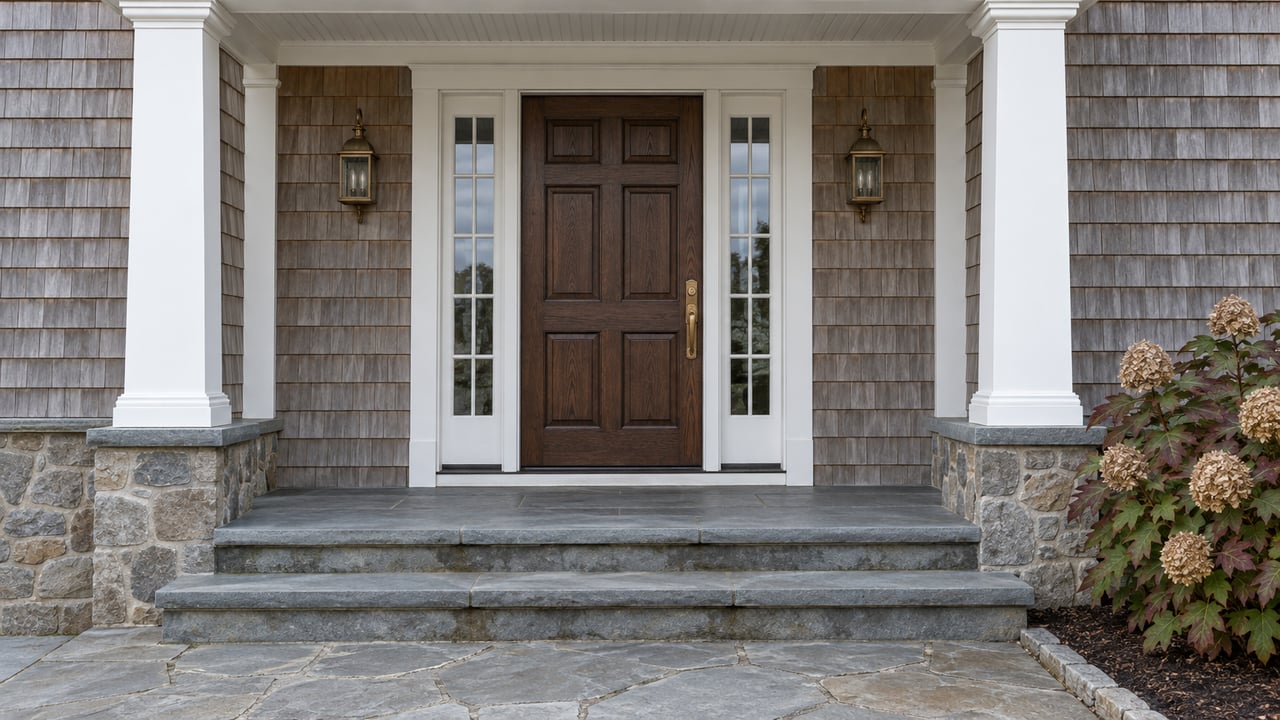
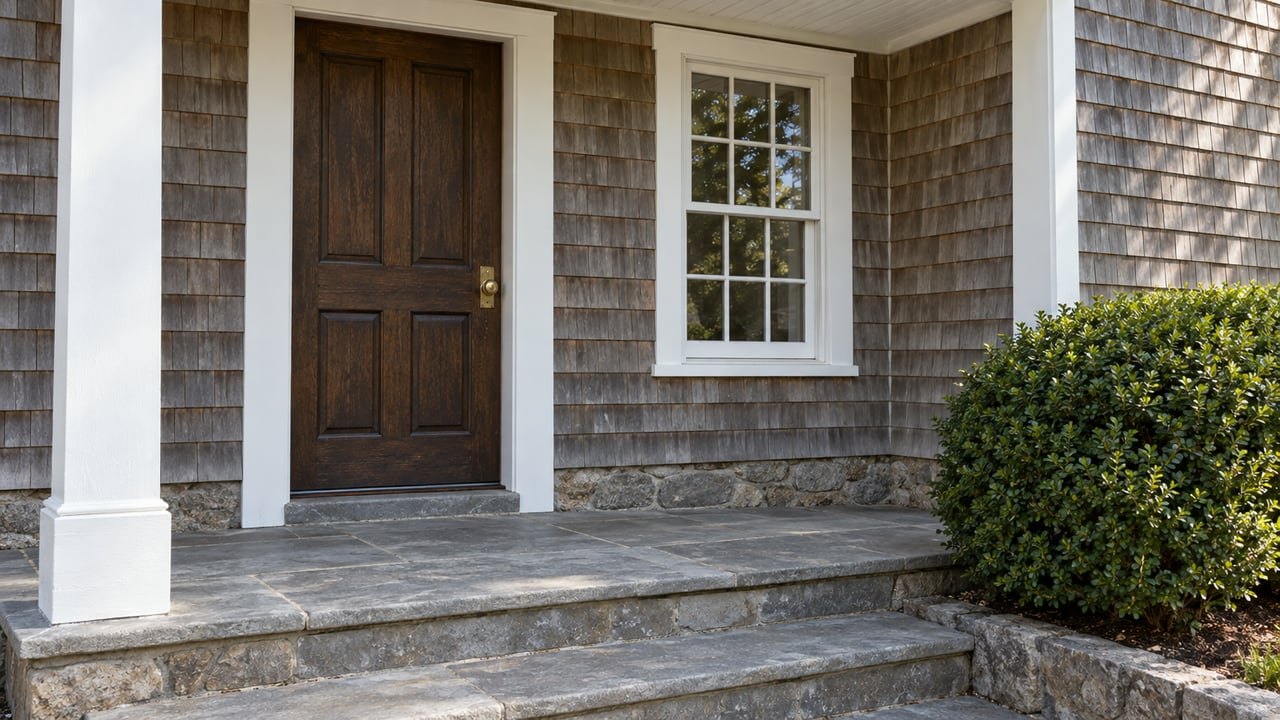
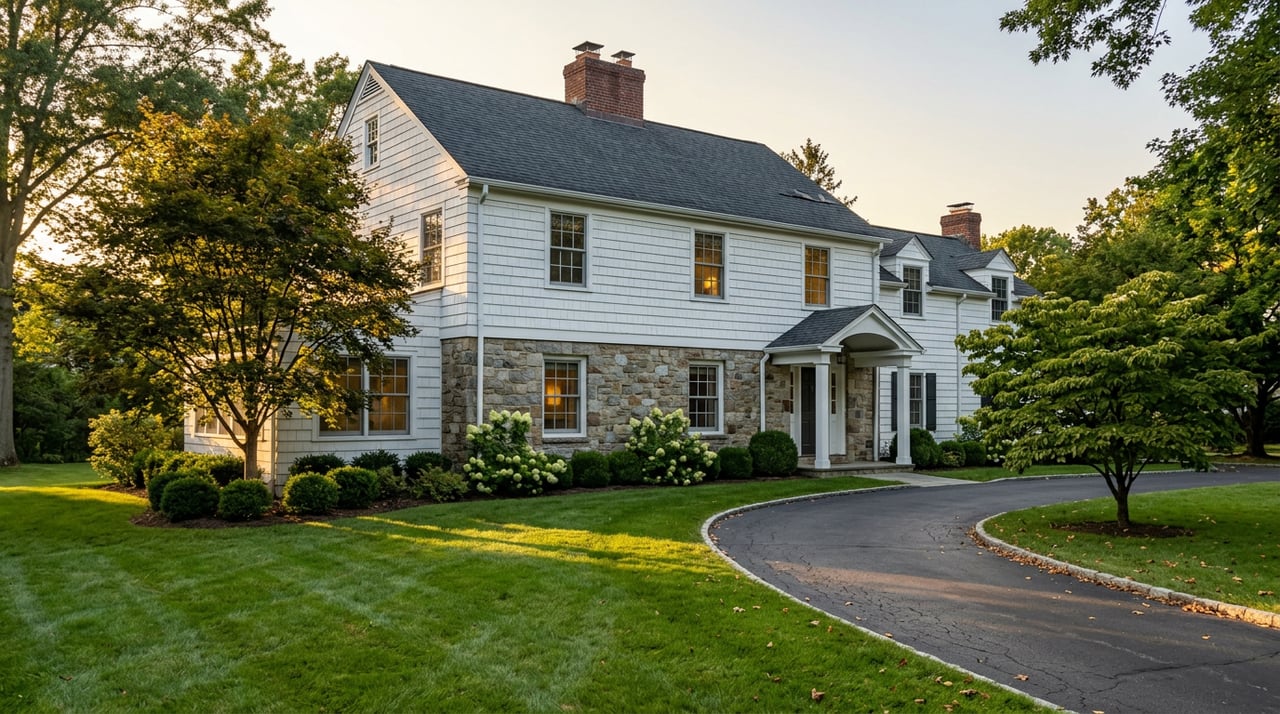
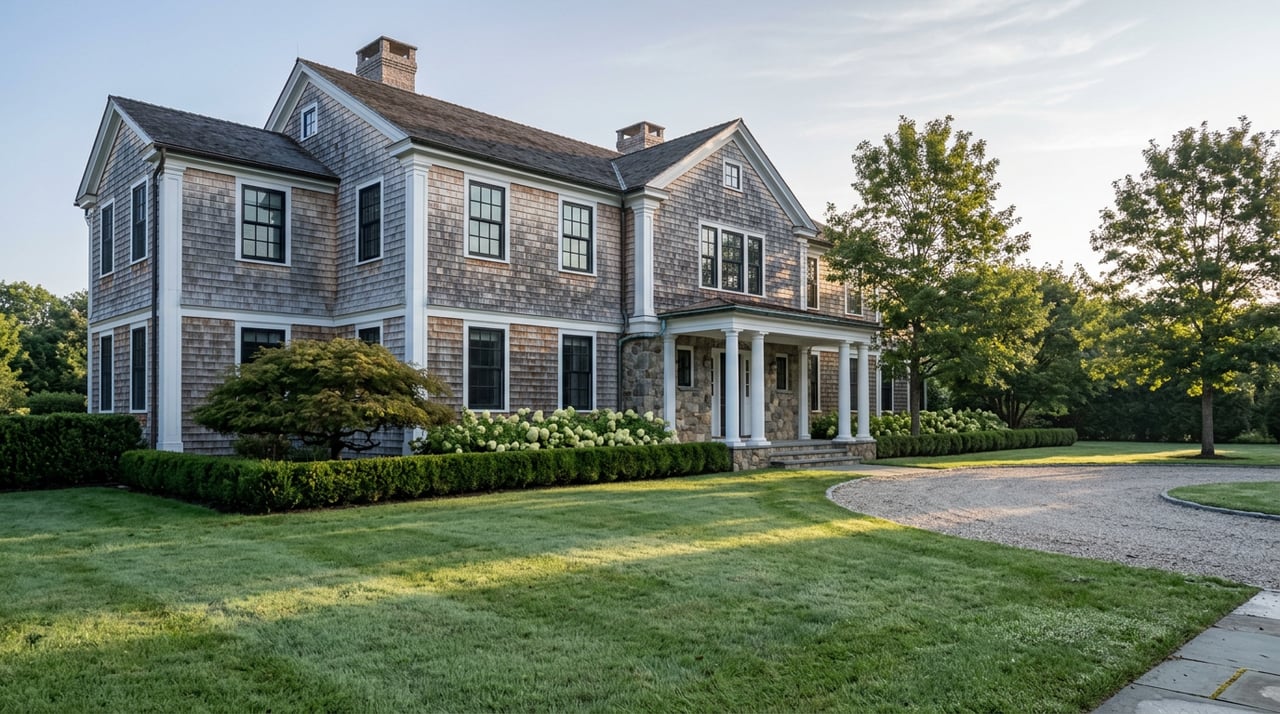
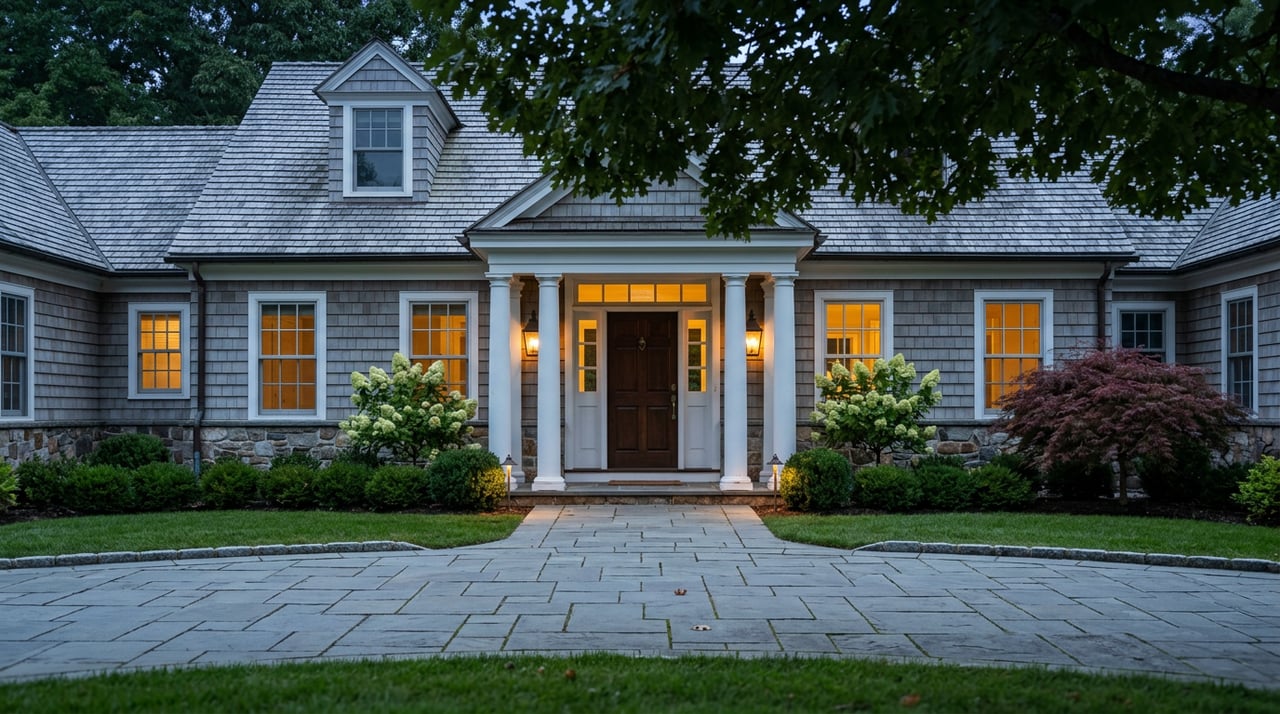
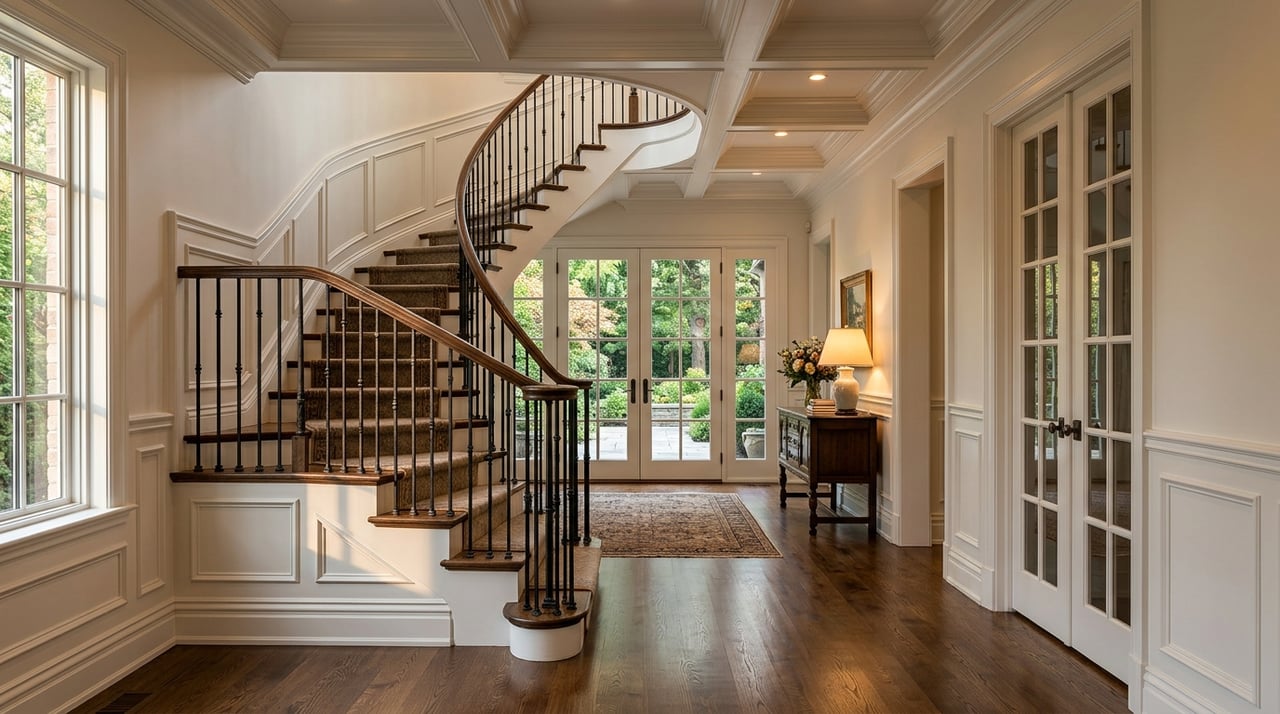
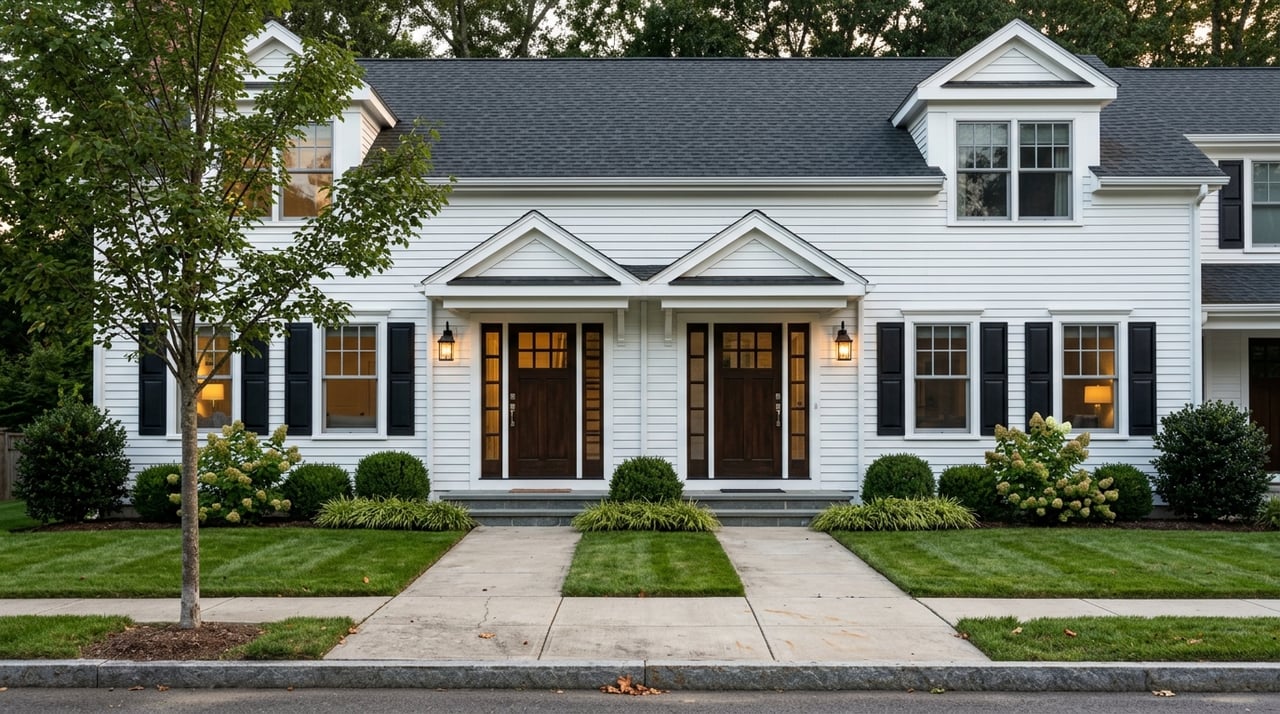
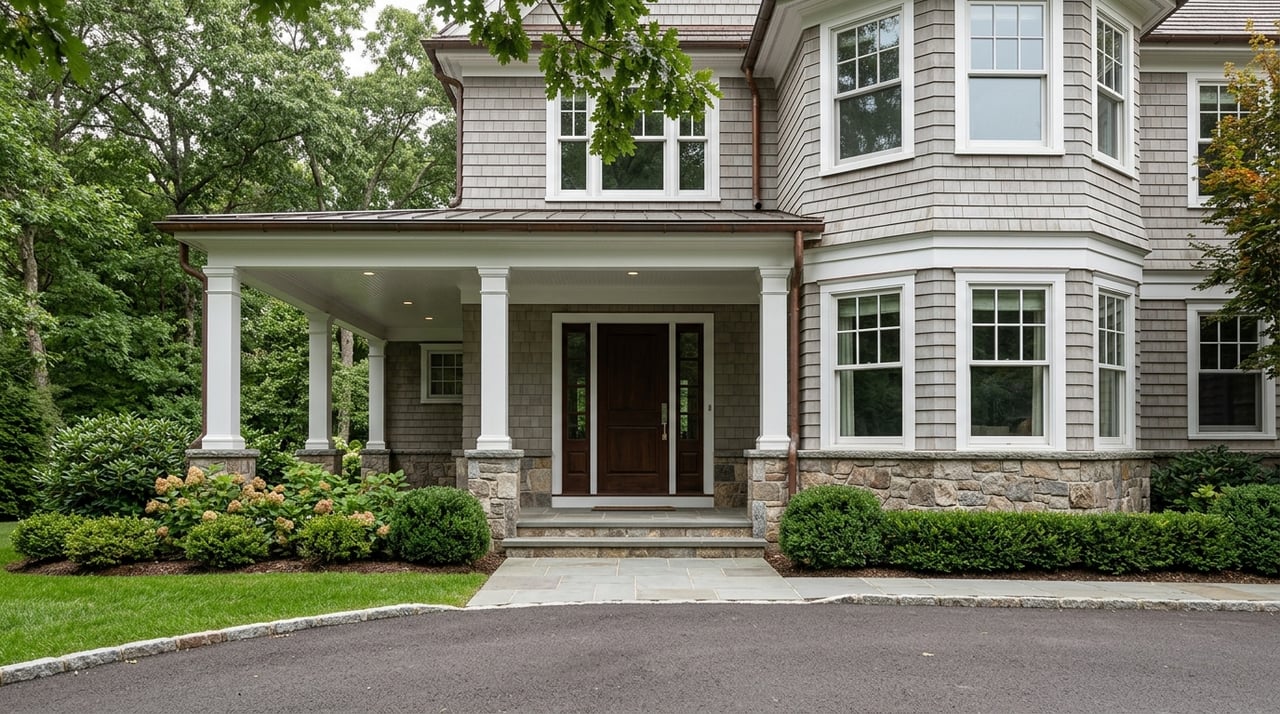
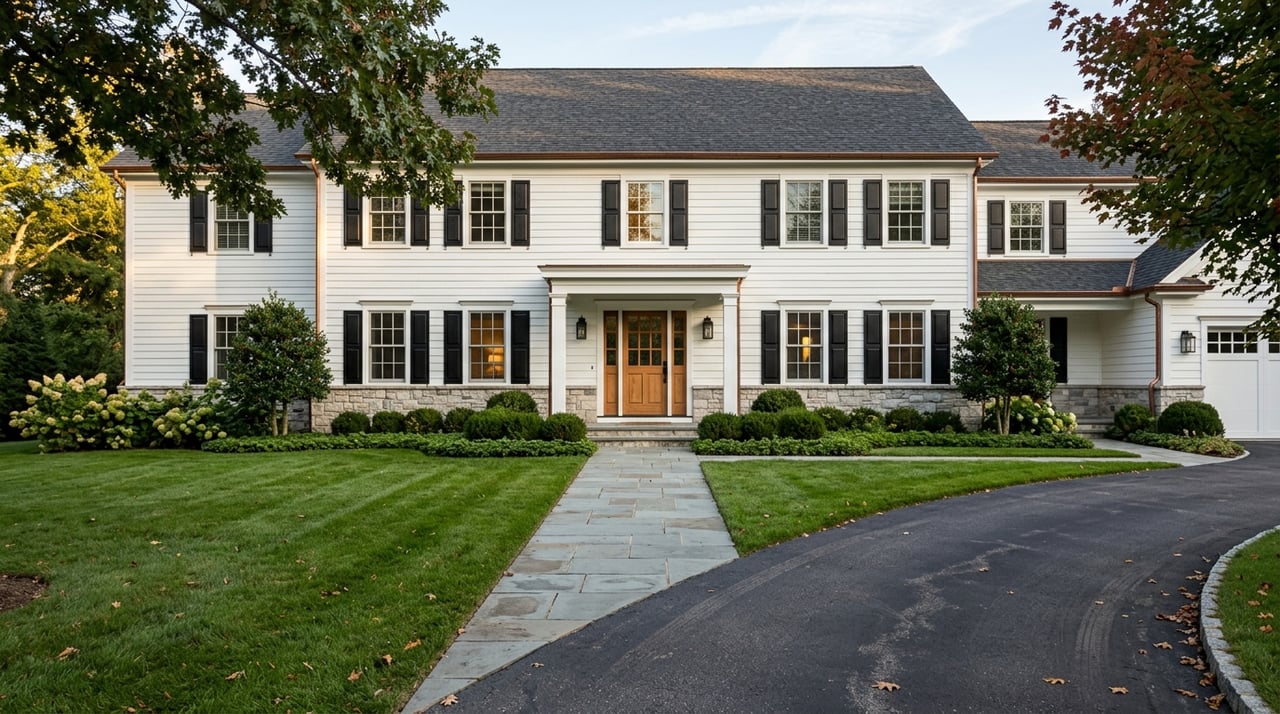
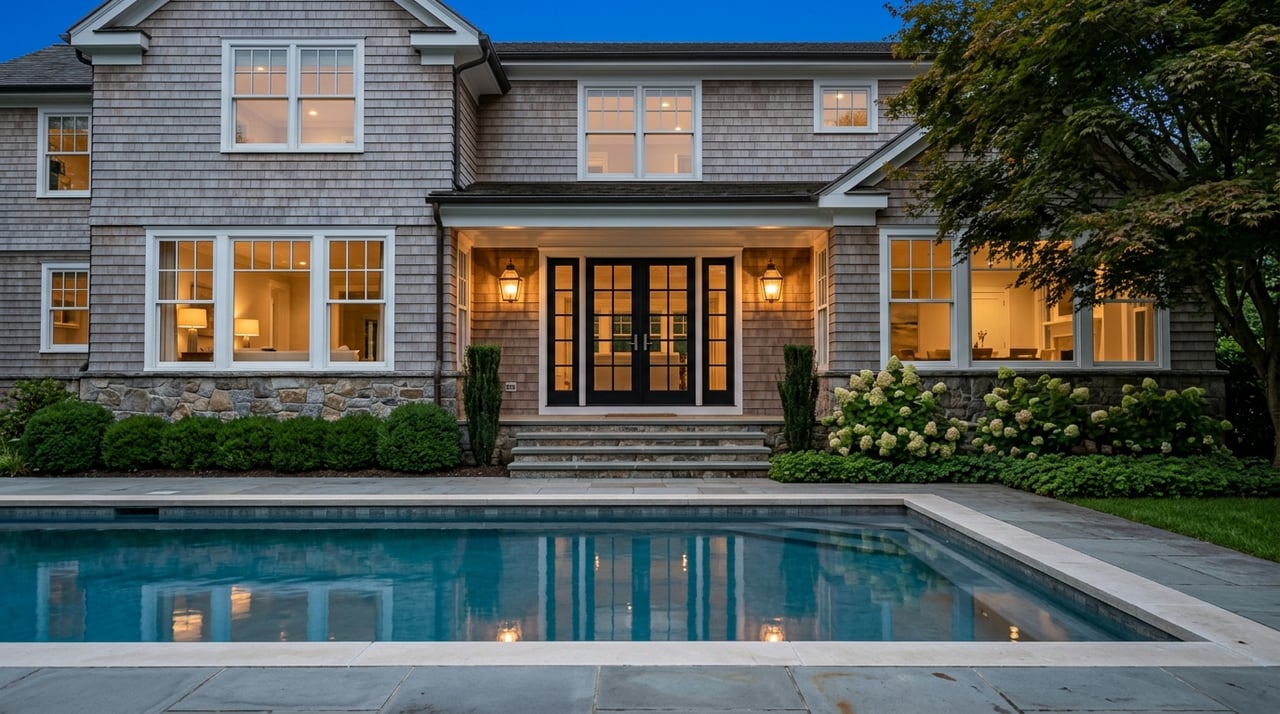
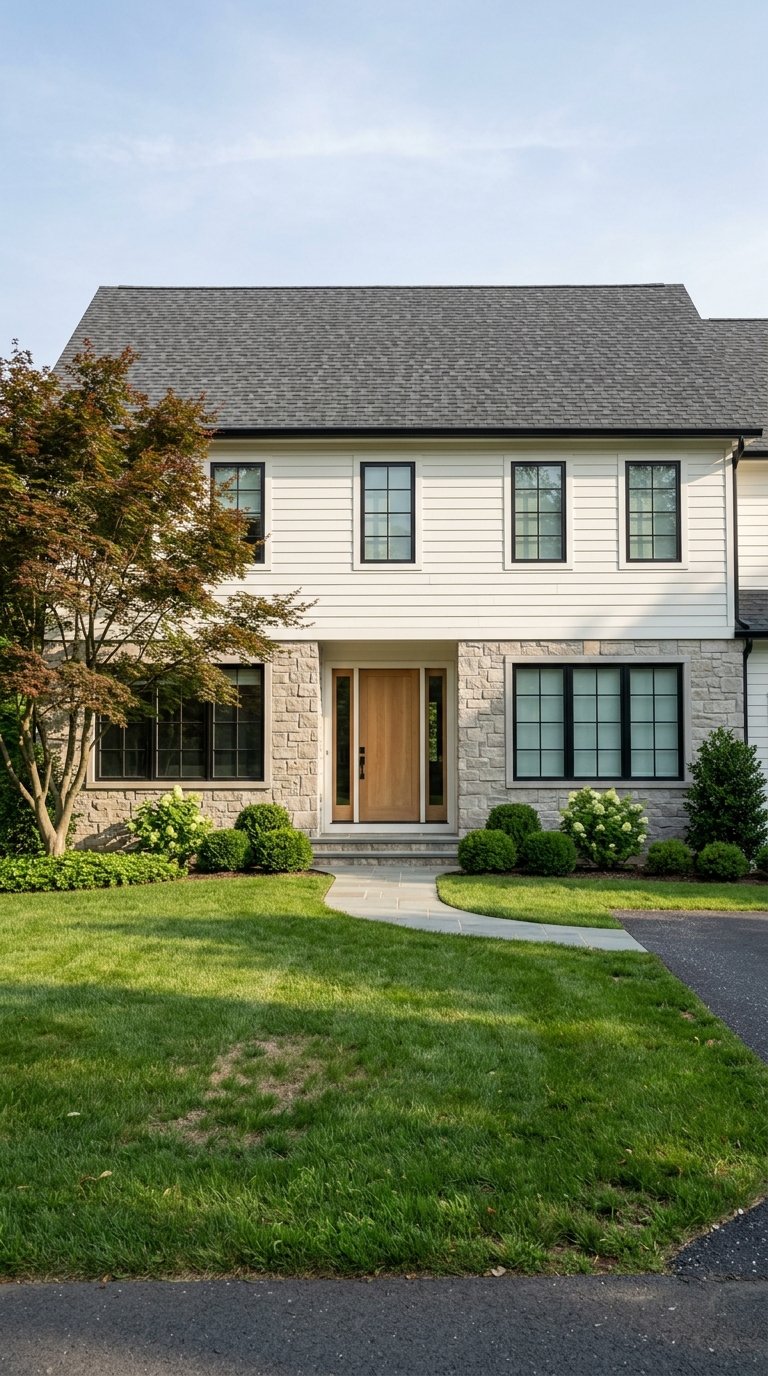
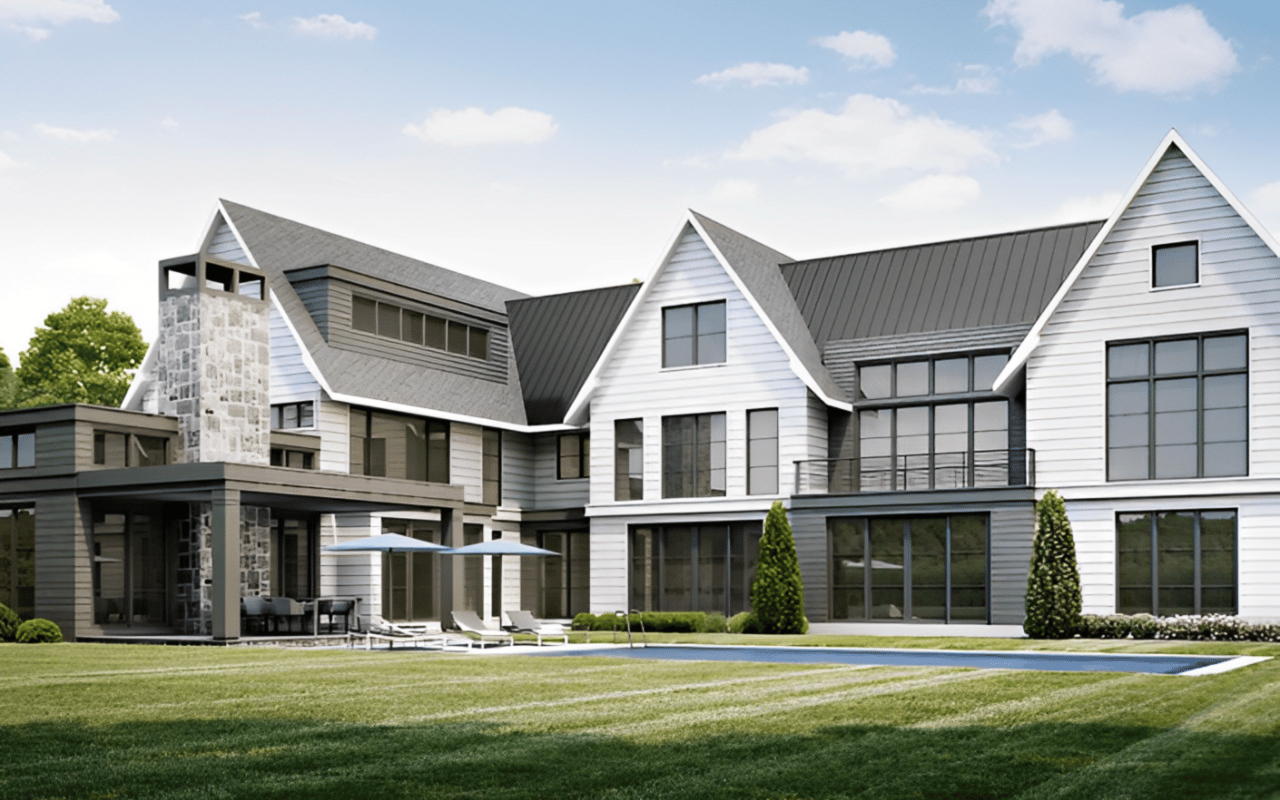
Tuxedo Park’s housing stock is one of its strongest differentiators. The earliest homes were shingle-style seasonal cottages, and later development introduced larger residences with central heating, plumbing, and electricity. Over time, the village added a wide mix of styles, including Tudor Revival, Spanish Mission, Georgian, Jacobean, Gothic Revival, Queen Anne, and Dutch Colonial.
The village design guidelines also note two William Lescaze homes from 1937 that introduced early modernism into the district. That means the architecture here is not one-note. Even within a preservation-minded setting, there is meaningful variety in style, scale, and design history.
The historical record also ties the village to prominent architects, including Bruce Price, Carrère & Hastings, John Russell Pope, McKim Mead & White, and Warren & Wetmore. As a result, many homes carry a level of architectural significance that buyers do not often find in more typical suburban inventory. If you are searching for a home with story, craftsmanship, and visual presence, Tuxedo Park delivers a very specific kind of inventory.
What buyers should know about stewardship
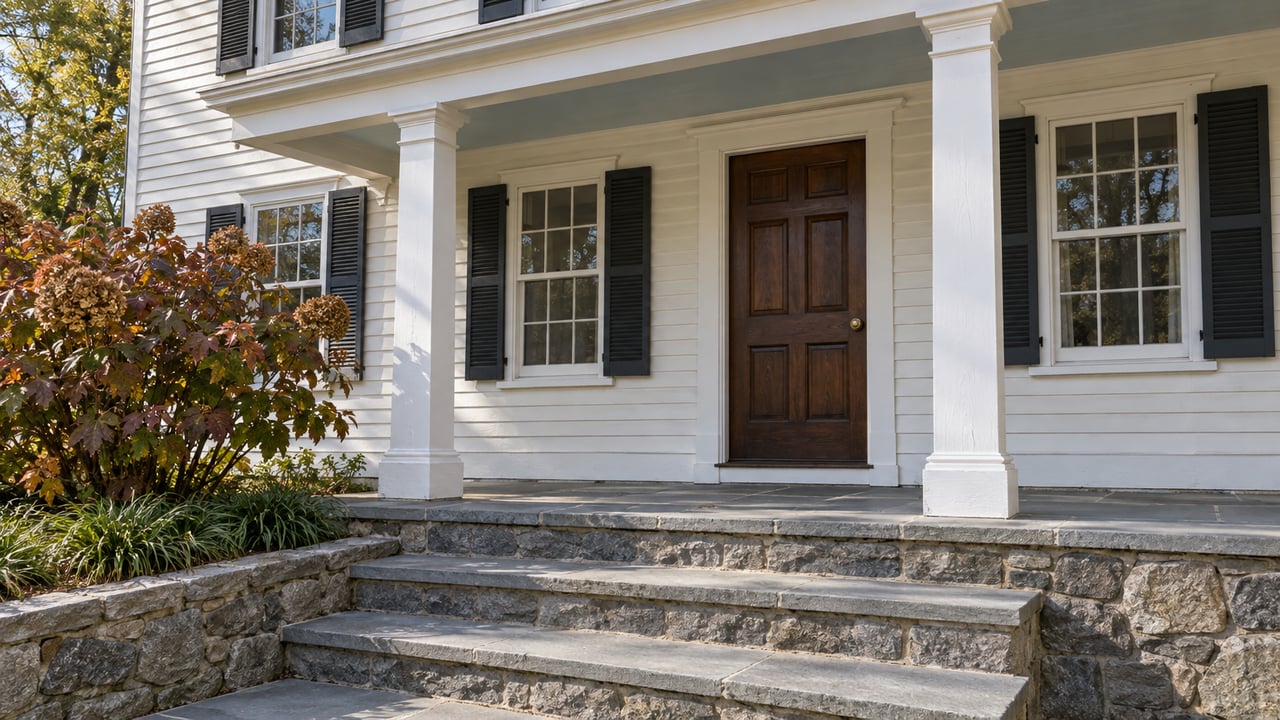
In Tuxedo Park, exterior ownership comes with added responsibility. The village building department states that changes to landscaping, tree removal, stone walls, fences, and structures are treated as part of the community’s historic character. That means stewardship is not just encouraged. It is built into how the village manages change.
For buyers, this is a practical point as much as an aesthetic one. If you are considering updates to a property, especially outside, you should expect a review process that reflects the village’s preservation goals. For the right owner, that level of care helps protect the overall setting and character that make Tuxedo Park special in the first place.
Is Tuxedo Park practical for commuting?
Despite its secluded feel, Tuxedo Park is not cut off from regional transportation. The Town of Tuxedo operates commuter parking lots tied to the New Jersey Transit Main Line, with connections to Secaucus, Hoboken, New York Penn Station, and PATH. That can make the area workable for people who need access to the city while prioritizing privacy at home.
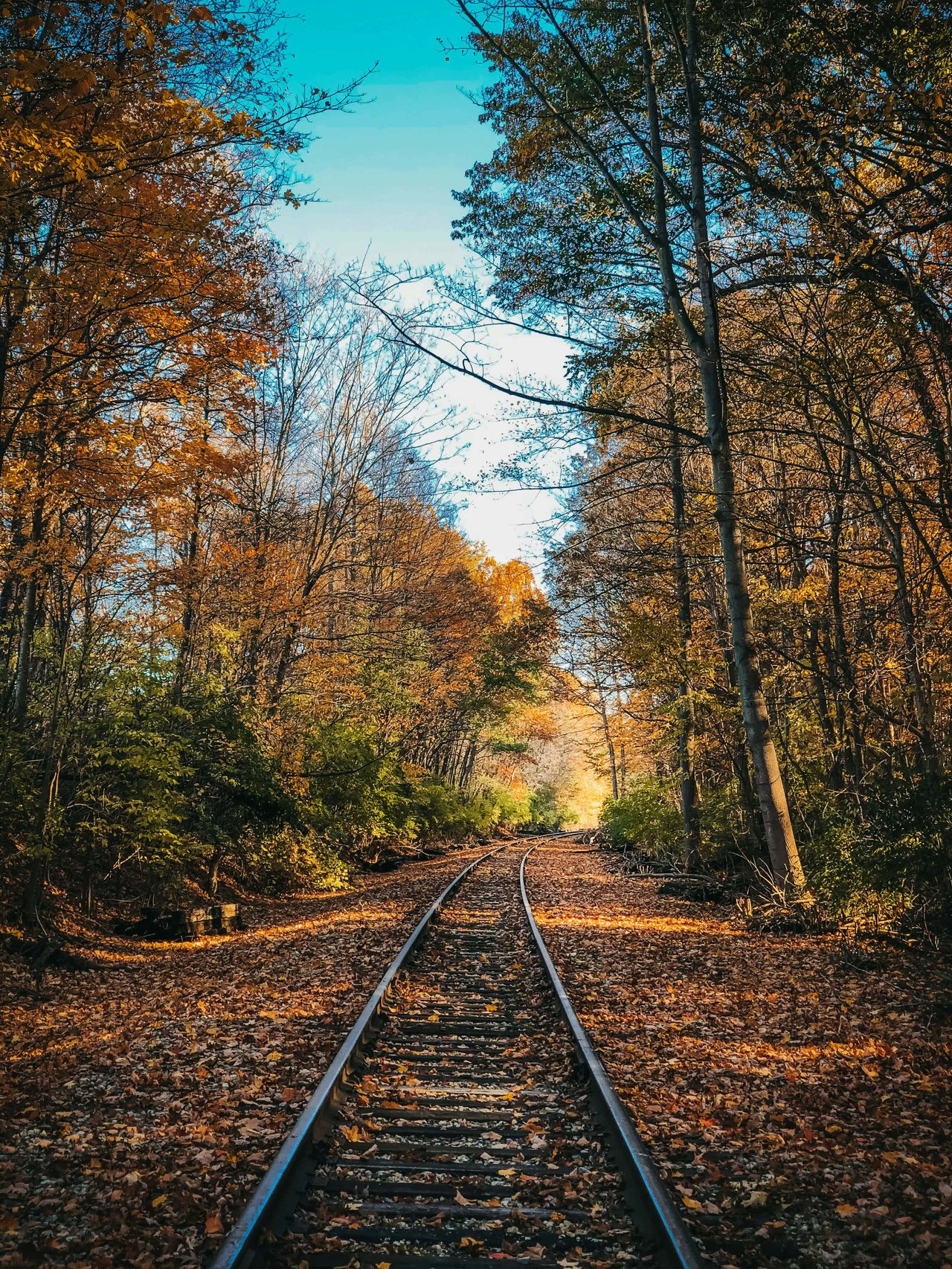
The MTA’s Tuxedo station on the Port Jervis line is also part of the local transit picture. Village information notes that it has ticket machines but no ticket office, which reinforces the area’s smaller-scale commuter setup. In other words, this is connected living, but not in the form of a large transit hub.
For many buyers, that balance is exactly the point. Tuxedo Park offers a sense of retreat without requiring complete remoteness. If you want a home that feels worlds away while staying within reach of the broader New York metro area, the location supports that lifestyle.
Who Tuxedo Park tends to appeal to
Tuxedo Park is not a fit for every buyer, and that is part of its strength. It tends to appeal to people who value privacy, architectural character, controlled access, and a more curated residential environment. Some are drawn to it as a primary residence, while others see it as a second-home option with a strong sense of place.
It can be especially compelling if you want:
- A small, low-density village setting
- Historically significant homes and estate-style properties
- Private, structured access to lake and club amenities
- Proximity to major outdoor recreation
- Regional connectivity without a fully urban pace
If your priorities lean toward newer subdivisions, highly standardized housing stock, or a more open-access neighborhood feel, Tuxedo Park may feel very different. But if you are looking for privacy, heritage, and a landscape-driven setting, few communities in the region offer the same combination.
Why this market requires local guidance
A home search in Tuxedo Park is often about more than square footage or finishes. Buyers are weighing access, preservation considerations, architectural significance, membership-based amenities, and the subtle differences between properties in a very small inventory pool. In a market with limited housing stock, context matters.
That is where experienced guidance becomes especially valuable. Understanding how a home fits within the village’s character, what ownership may involve, and how to position yourself in a niche market can make a meaningful difference. In a place this specialized, informed representation is not a luxury. It is part of making a smart move.
If you are considering buying or selling in Tuxedo Park or anywhere across the northern New Jersey and adjacent New York luxury markets, The Molfetta Team offers hands-on guidance, polished marketing, and high-touch transaction coordination designed for distinctive properties.
FAQs
What is Tuxedo Park known for?
- Tuxedo Park is known for its gated setting, Gilded Age history, architecturally significant homes, village-owned lakes, and strong emphasis on preservation and privacy.
What types of homes are in Tuxedo Park?
- The housing stock is dominated by historically significant single-family homes, with styles that include shingle-style, Tudor Revival, Georgian, Jacobean, Gothic Revival, Queen Anne, Dutch Colonial, Spanish Mission, and some early modernist design.
How does gate access work in Tuxedo Park?
- According to village information, the Main Gate allows tagged vehicles and approved guests, vendors, and club attendees, while the South Gate is restricted to residents and property owners.
Can residents use the lakes in Tuxedo Park?
- Lake access is structured. Qualified village property owners and taxpayers may access Tuxedo Lake through the Village Boat Club, and seasonal beach access at Wee Wah Park and Beach Club is tied to village or eligible hamlet membership.
Is Tuxedo Park good for commuters?
- Tuxedo Park can work well for buyers who want privacy while maintaining regional access, thanks to nearby commuter parking connected to New Jersey Transit and rail service at the local Tuxedo station.
What should buyers know about property changes in Tuxedo Park?
- Buyers should know that exterior changes, including some landscaping, tree removal, walls, fences, and structural work, are treated as part of the village’s historic character and may involve review.