A home inspector in most of northern New Jersey or Rockland County can hold up a closing for a week, maybe two, while a roof gets patched or a panel gets relabeled. In Tuxedo Park, the Village Office's file on exterior work is another part of the transaction to review, including whether the Board of Architectural Review approved it.
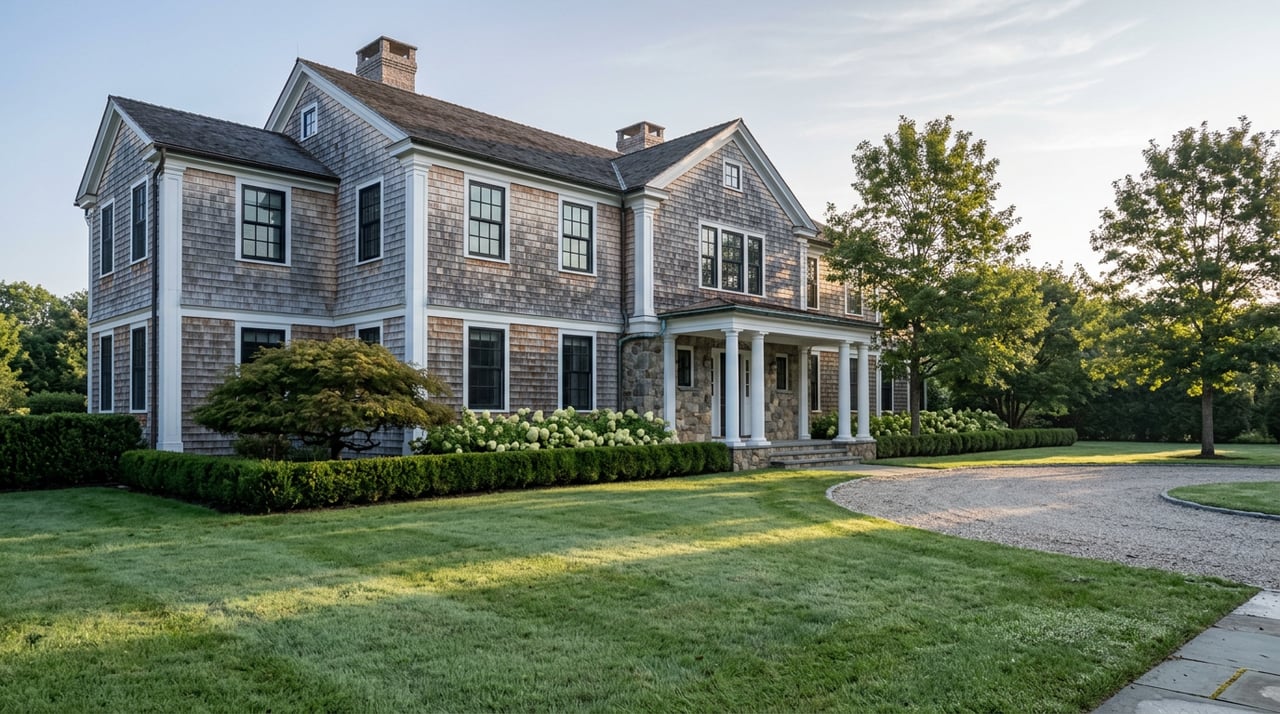
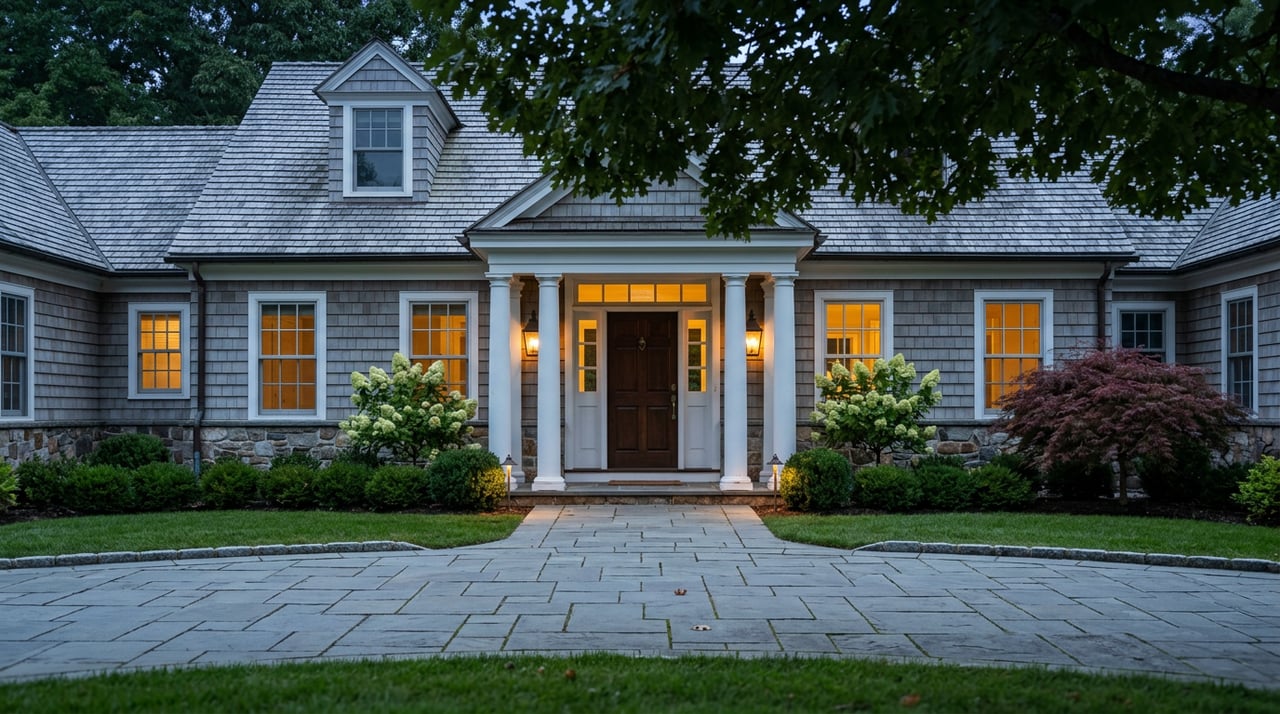
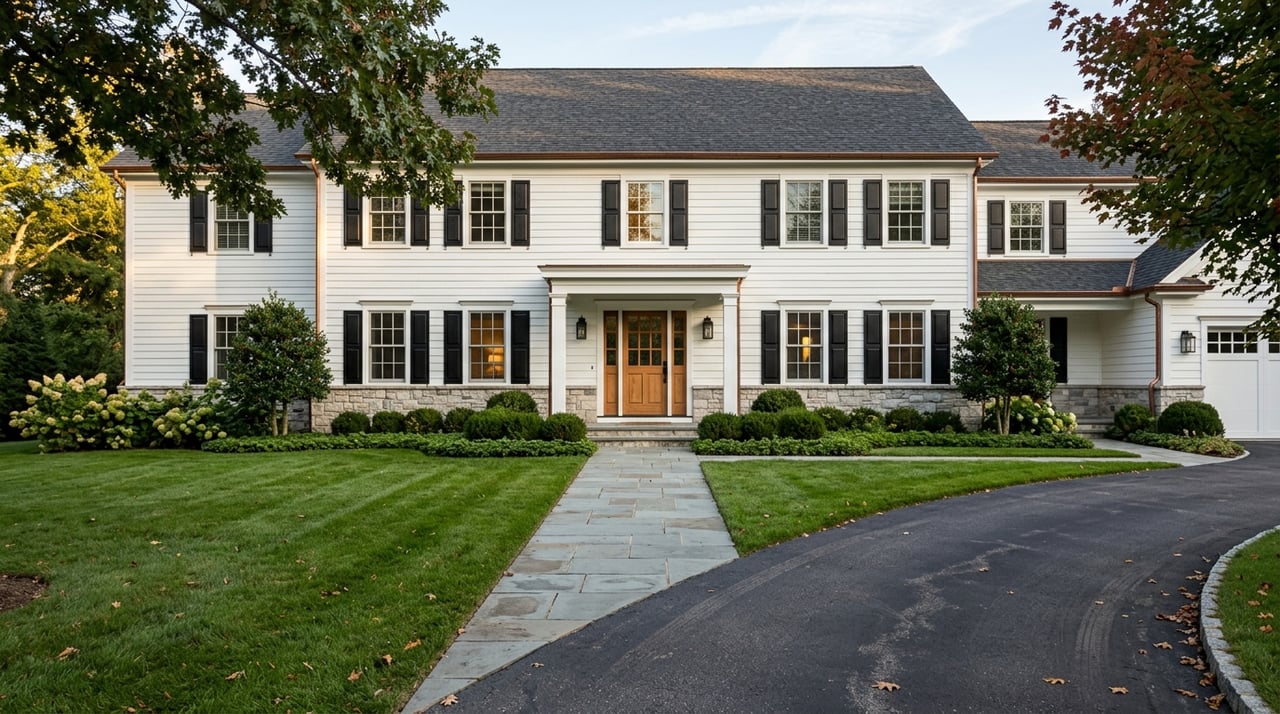
That distinction matters because Tuxedo Park is not governed like a typical subdivision with a homeowners association. It is an incorporated New York State village, established in 1952, and its entire footprint, roughly 330 houses spread across 2,086 acres around Tuxedo Lake, Pond No. 3, and Wee Wah Lake, has sat on the National Register of Historic Places since March 13, 1980. The Village of Tuxedo Park reviews far more than new construction.
The Board Reviews More Than You'd Expect
According to the Village's own Building Department, changes that trigger review include landscaping, tree removal, stone walls, fences, new built structures, and significant interior electrical upgrades. Routine maintenance that does not alter design, structure, materials, or appearance is exempt, but the Building Department is explicit that owners should confirm that with the Building Inspector before assuming a project qualifies as routine.
Inspector John Ledwith, who also serves as a representative at BAR, Planning Board, and Board of Zoning Appeals meetings and as a senior advisor to the Mayor and Board of Trustees, is the first stop for any project. The Board of Architectural Review itself is a five-member body, backed by an engineer, a recording secretary, and an attorney, and it meets twice a month on the first and third Monday at 5:30 p.m.
For a buyer used to a building permit being the ceiling of municipal interest, that is a wider net than expected. A homeowner who replaced a fence, regraded a lawn, or swapped out a window a decade ago may have done so without realizing it needed Village sign-off.
How the Village Review Fits a Contract Timeline
The procedural sequence is public, spelled out in Article VIII of the Village Code, and it does not move at the pace most buyers expect from a residential closing.
| Stage | What Happens | Time Required |
|---|---|---|
| Informal work session | Applicant discusses the concept with the Building Inspector and Board before filing formally | No fixed deadline, but strongly encouraged before any formal filing |
| Formal application filed | Applicant submits plans, pays the application fee, and mails notice to every property owner within 500 feet | Notice must go out at least 14 days before the meeting |
| Building Inspector review | Inspector checks the application against Village Code, the Uniform Fire Prevention and Building Code, and water and sewer regulations | Up to 45 days from filing |
| Board decision | BAR renders its decision on the application | Within the next three formal meetings after the first agenda listing |
| Approval threshold | A motion needs a second and three affirmative votes from the five-member Board | Ongoing until met, or the application can be voided after six months without action |
Those review periods can overlap with an ordinary 60 to 90 day purchase contract. A buyer who wants to close and then remove a dying tree, rebuild a stone wall, or add exterior lighting is not looking at a quick permit pull. They are looking at a work session, a formal filing, a mailing to neighbors, a 45 day inspector review that can run on its own timeline, and then a Board that has up to three meetings to decide. None of that happens before closing unless it is deliberately sequenced during the contract period.
Why the Renamor Sale Is a Useful Data Point
When Renamor, a 1928 estate on 151 acres along Tuxedo Lake, came to market for the first time in more than 30 years, it did so with a listing price of $29.5 million, according to reporting in the Rockland/Westchester Journal News. The property's scale (a roughly 14,000 square foot main house, a guest house, a carriage house, a boathouse, sixteen bedrooms) tells you what money buys at the top of this market.
The Village review process is another part of the Tuxedo Park market that a median price, whatever it happens to be in a given quarter, does not capture. The village has fewer than 350 houses.
What a Pre-Listing Audit Actually Looks Like
For a seller, the practical move is to treat the Village file the way a buyer's attorney eventually will. That means requesting the property's full history from the Village Office at 80 Lorillard Road before a listing photographer ever shows up, and walking the exterior against that file looking for anything that came after the last recorded approval: a replaced fence, a regraded slope, new landscape lighting, a swapped door or window. If the Village record shows a gap between what exists and what was approved, that gap does not go away because a buyer likes the house.
For a buyer with renovation plans, the useful question to ask before signing is sequencing. Buyers who want to start work quickly after closing get the most value out of opening a work session during the contract period itself, rather than waiting until after the deed transfers to start the process from zero.
None of this is unique to distressed properties or unusual renovations. It can apply when work alters design, structure, materials, or appearance. The district has looked, deliberately, largely the same since Pierre Lorillard IV hired architect Bruce Price and landscape engineer Ernest Bowditch to lay out the original village in 1886. Routine maintenance that does not alter those features is exempt.
Frequently Asked Questions
Does routine maintenance need Board approval? The Village's Building Department states that normal repairs and maintenance that do not alter design, structure, materials, or appearance do not require Board approval, but the Department recommends confirming that classification with the Building Inspector before proceeding, since the line is not always obvious from a homeowner's side of it.
Buying or selling inside the gates of Tuxedo Park means working with a village government that reviews far more of a property's history than most transactions require, and planning the sequence before you list or sign helps buyers and sellers account for the Village review process. The Molfetta Team works this market from both sides of that process and can help you audit a Village file, plan a work session around your contract timeline, or price a listing with that history already accounted for. Book a consultation before you put a Tuxedo Park property on the market or sign a contract to buy one.
This article is general information, not legal, tax or financial advice. Consult a qualified professional about your situation.